Product of the 80s Retro: A Designer's Review
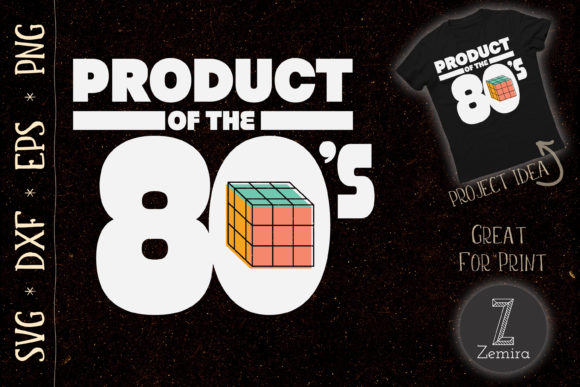
When I first opened the folder for Product of the 80s Retro, I immediately thought about the neon-lit arcades and the bold, unapologetic fashion of the late twentieth century. As a designer who spends hours evaluating digital assets before stitching them into physical goods, my first impression is one of high-energy nostalgia. The design captures that specific era where everything was bigger, brighter, and louder. It isn't just a graphic; it feels like a statement piece waiting to be translated from a screen to fabric.
This isn't your average generic clip art. The visual personality of Product of the 80s Retro suggests it belongs in projects that demand attention. Whether you are an Etsy seller looking to boost your shop's aesthetic or a small business owner creating branded merchandise, this file offers a distinct mood. However, moving from a vector preview to a stitched reality requires more than just hitting "start" on the machine. It demands a strategic approach to how the design interacts with thread, fabric, and the final product.
Real-World Application: From Screen to Stitch
I recently evaluated this design for a potential client project involving custom tote bags for a vintage clothing boutique. The goal was to create a bag that felt authentic to the era without looking like a cheap knockoff. When I ran a test stitch on a heavy cotton canvas, the layout held up surprisingly well. The curves of the retro typography translate effectively into satin stitches, provided the density settings are adjusted correctly.
The versatility of Product of the 80s Retro extends far beyond simple t-shirts. Imagine this design embroidered on a thick sweatshirt for a holiday gift collection. The chunky texture of the knit fabric would complement the bold lines of the design perfectly. For a baby item, like a onesie or a soft blanket, the playful nature of the theme works beautifully, though the scale needs to be considered carefully to avoid overwhelming the garment.
I also tested the concept on a pillow cover for a nursery decor line. The vibrant energy of the 80s aesthetic adds a fun, modern twist to a traditional textile item. If you are selling handmade products at craft fairs, placing this design on a kitchen towel or an apron could be a strong seller. It bridges the gap between utility and style, making it a practical choice for commercial embroidery projects where uniqueness matters.
Navigating Fabric and Hoop Challenges
While the design is robust, there are specific scenarios where caution is required. Not every surface is suitable for this level of detail. If you plan to use Product of the 80s Retro on a curved surface like a baseball cap, you must ensure your machine has a cap hoop and that the design is digitized specifically for that curvature. Flat surfaces like tote bags or flat pillows are safer bets for beginners.
Fabric texture plays a massive role in the final look. On smooth, tight-woven fabrics like polyester blends, the design will appear crisp. However, on textured fabrics like fleece or loosely woven linen, the details might get lost. The dense stitch areas could cause puckering if the stabilizer isn't chosen correctly. For stretchy fabrics, such as those found in hoodies or fitted tees, you need a cutaway stabilizer to prevent the embroidery from distorting over time.
Small hoop sizes present another hurdle. If you attempt to shrink this design down too much for a tiny patch or a small decorative accent on a shoe, you risk losing the integrity of the lettering and shapes. The fine details that give the design its character might become muddy blobs when stitched at a reduced scale. Always check the minimum recommended size before committing to a small finished product.
Visual Appeal and Customer Perception
In the world of handmade goods, presentation is everything. A well-executed embroidery project builds trust and elevates the perceived value of your work. When customers see Product of the 80s Retro stitched with precision on a high-quality garment, they perceive the item as professional and durable. The nostalgic theme triggers an emotional response, often leading to higher engagement on social media and better conversion rates for online listings.
For digital product sellers, having a clean mockup of this design on various apparel items can significantly enhance your brand consistency. It allows you to showcase how the graphics fit into real-world scenarios, helping buyers visualize the final result. Whether you are creating printable mockups or listing actual physical goods, the clarity of the design ensures that the customer understands exactly what they are getting.
However, the success of the project relies heavily on thread color contrast. The original file likely assumes certain color combinations, but you have the freedom to experiment. Using metallic threads for the outlines could add a luxurious touch, while matte cotton threads would keep it grounded and casual. Just remember that dark fabrics require underlay stitches to pop, which adds to the stability of the design but also increases the stitch count.
Practical Notes for the Embroidery Designer
Before you rush to print out invoices or list items on Etsy, there are critical steps to take. First, always test the design on scrap fabric. This simple step reveals issues with tension, density, and registration that aren't visible in the software. Check the thread colors against your intended background; a design that looks great on white might disappear on black unless you adjust the underlay or choose contrasting thread shades.
Review the stitch density carefully. High-density designs can feel stiff and uncomfortable on garments that need to drape softly. If the design feels too rigid after stitching, consider reducing the fill density or adjusting the pull compensation settings in your digitizing software. Also, inspect the small details closely. Are the corners sharp? Is the text legible? If not, you may need to simplify the design manually or contact the creator for a revised version.
Don't forget to test the design in black and white mockups. Sometimes color hides structural flaws that become obvious when stripped down to monochrome. Compare how the design performs on light versus dark fabric backgrounds to ensure versatility. Use the proper stabilizer for the specific fabric type; a tear-away might suffice for a stable tote bag, but a cutaway is essential for stretchy knits.
Finally, confirm licensing terms before selling finished items or distributing the digital files. Ensure that Product of the 80s Retro grants you the necessary rights for commercial use. If you are reselling the digital embroidery file itself, verify that you have the right to do so. Understanding these legal nuances protects your craft business and maintains professionalism in your dealings with clients.
Ultimately, Product of the 80s Retro is a versatile asset for anyone looking to inject some vintage flair into their portfolio. With careful planning and attention to the technical details of machine embroidery, it can transform into a stunning finished product that stands out in a crowded market. Whether you are decorating a personalized gift or building a boutique brand, this design offers a solid foundation for creativity.