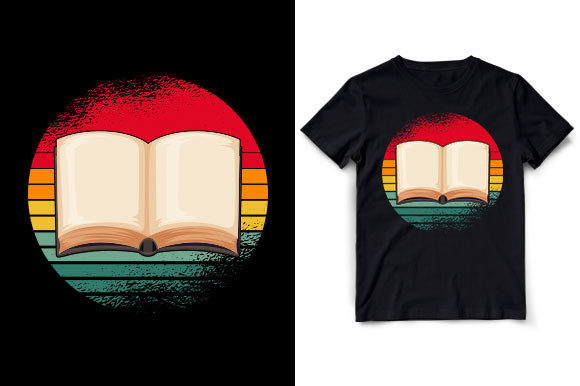
Vintage T-Shirt Retro Book: A Designer's Real-World Embroidery Review
When I first opened the Vintage T-Shirt Retro Book file to prepare it for a real client project, I didn't just see a graphic; I saw a mood. As someone who has spent years turning digital files into tangible, stitched heirlooms, my initial reaction is always about texture and weight. This design immediately evokes a sense of nostalgia that feels authentic rather than forced. It isn't just another generic T-Shirt Designs asset; it carries a specific visual personality that suggests stories of old libraries, worn-out paper, and classic literature.
I decided to test this design on a custom embroidered tote bag project for a local boutique owner who wanted something unique for her summer collection. The goal was to create a product that felt handmade and artisanal, not mass-produced. Before I even loaded the needle, I had to consider how the Vintage T-Shirt Retro Book would translate from a screen to fabric. Would the lines hold up? Would the details get lost in the stitching?
First Impressions and Visual Weight
The moment you place this design on your digitizing software, the layout speaks volumes. The retro aesthetic creates a strong focal point that works beautifully as a chest logo or a central statement piece. Unlike many modern graphics that rely on heavy gradients or complex shading which often fail in embroidery, this design relies on clean shapes and bold typography. This is crucial because it ensures the embroidery file will remain legible even after hours of wear and washing.
The vintage theme naturally lends itself to earth tones, muted pastels, or high-contrast black and white thread palettes. When I looked at the potential for a sweatshirt embroidery application, I imagined a cream-colored heather fabric with deep navy stitching. The result would be sophisticated and timeless. However, if used on a bright primary color shirt, the design might lose some of its subtle charm. The visual appeal here depends entirely on how well you match the thread colors to the fabric texture.
Real-World Application: The Boutique Tote Bag Scenario
To truly evaluate the practical value of this design, let's look at a specific scenario. I was tasked with creating a limited run of tote bags for a craft fair. These bags needed to stand out among hundreds of others while maintaining a professional finish. I selected the Vintage T-Shirt Retro Book as the centerpiece for these bags.
The challenge was placing the design correctly on the canvas. Because the design features detailed corners and potentially small lettering, I had to be careful with the hoop size. If the hoop was too tight, the fabric could pucker, distorting the retro text. If it was too loose, the tension would be uneven. I chose a medium-sized hoop and ensured the stabilizer was cut slightly larger than the design area to prevent any shifting during the stitch process.
As the machine began to work, the stitch density became apparent. The fill stitches provided a solid base, giving the design a raised, tactile quality that customers love. When I held up the finished handmade product, the contrast between the satin stitch outlines and the fill areas created depth. It wasn't flat; it had dimension. This added value made the tote bag feel like a premium item, justifying a higher price point for the Etsy seller or small business owner selling it.
Navigating Fabric Challenges and Limitations
While the design is versatile, no single machine embroidery design is perfect for every surface. There are specific situations where using Vintage T-Shirt Retro Book requires extra caution. For instance, applying this to a stretchy fabric like a thin t-shirt or a fitted cap can be risky. The tension required to keep the stitches tight might cause the fabric to pucker, especially around the curved surfaces of a hat.
If you plan to use this for embroidered patch applications or on textured fabrics like corduroy or bouclé, you must test the design on scrap material first. The texture of the fabric can hide fine details, making the smaller elements of the book cover illustration disappear. Additionally, dark fabrics require a specific approach. You might need to add a backing layer or choose a lighter thread color to ensure the design pops without looking muddy.
Another critical factor is the washability of the final product. Since this design is likely to be used on items like aprons, kitchen towels, or baby clothes that undergo frequent laundering, the stability of the stitches is paramount. Dense stitch areas can sometimes trap lint or water, so ensuring the design isn't overly dense in the center is important for longevity. Always inspect the finished product for loose threads before packaging it as a personalized gift.
Design Notes for Professional Results
For those of you running a craft business or selling digital embroidery files, attention to detail separates the amateurs from the pros. Here are some practical notes based on my experience with this specific design:
- Test on Scrap Fabric: Never go straight to the final garment. Run a test on a scrap piece of the same fabric to check for puckering and thread breakage.
- Check Thread Color Contrast: Ensure the thread colors chosen provide enough contrast against the background fabric. A vintage design on a low-contrast fabric can look dull.
- Review Stitch Density: Look closely at the fill areas. If they are too dense, the fabric may become stiff and uncomfortable. Adjust the settings if necessary.
- Confirm Hoop Size: Make sure your hoop is large enough to accommodate the entire design without cutting off any edges, especially if the design includes decorative accents.
- Inspect Small Details: Zoom in on the digital preview. Are there tiny letters or intricate lines that might get lost? If so, consider simplifying the design or avoiding it for very small products.
- Use Proper Stabilizer: The type of stabilizer (cut-away, tear-away, or sticky) matters immensely. For stretchy fabrics, a cut-away stabilizer provides the best support.
- Verify Licensing: Before selling finished items or using this as a design asset for commercial projects, confirm the licensing terms. Some designs allow personal use only, while others permit commercial sales.
Impact on Brand Consistency and Customer Trust
In the world of small shop products and boutique branding, consistency is key. Using a cohesive design like Vintage T-Shirt Retro Book across multiple items—such as matching tote bags, aprons, and pillow covers—creates a unified brand identity. Customers recognize the style and associate it with quality.
Furthermore, the clarity of the stitching directly impacts customer trust. A blurry or poorly executed design can make a finished product look cheap, regardless of the actual quality of the materials. By taking the time to optimize the embroidery project settings and choosing the right threads, you signal to your buyers that you care about the details. This level of professionalism encourages repeat business and positive reviews.
Whether you are creating holiday gifts, wedding favors, or merchandise for a commercial embroidery business, this design offers a solid foundation. Its retro charm fits perfectly into current trends where vintage aesthetics are highly sought after. However, remember that the success of the final outcome relies heavily on your execution.
Final Thoughts on Design Assets
The Vintage T-Shirt Retro Book is more than just a Graphics download; it is a tool for storytelling through thread. It allows creators to produce items that feel curated and thoughtful. From holiday embroidery projects to everyday custom apparel, this design holds its own when handled with care.
By understanding its strengths and limitations, you can avoid common pitfalls and deliver exceptional results. Whether you are a hobbyist looking to make a unique gift for a friend or an entrepreneur building a robust Etsy listing, this design has the potential to elevate your work. Just remember to test, adjust, and always prioritize the quality of the stitch over the speed of production. With the right approach, Vintage T-Shirt Retro Book can become a staple in your repertoire of design assets.