Hawaii 80s Retro Style: A Designer's Real-World Embroidery Review
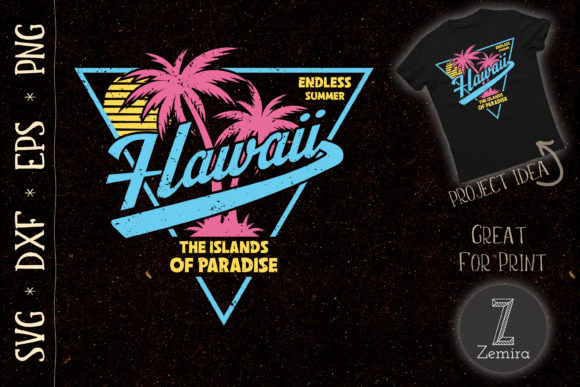
When I first opened the Hawaii 80s Retro Style file, I didn't just see a graphic; I saw a specific moment in time. As a designer who spends hours evaluating digital assets for real-world production, my initial reaction was one of immediate utility. This isn't just another generic tropical print; it captures that vibrant, neon-soaked aesthetic that defined a decade, yet it feels polished enough to stand out in a crowded market of handmade goods.
The design immediately screams "fun" and "nostalgia," making it an obvious choice for custom apparel or boutique branding. However, moving from a screen preview to actual stitching requires a critical eye. In this review, I'm breaking down how Hawaii 80s Retro Style performs when translated from a vector into thread, based on my experience testing similar retro-themed assets in commercial embroidery projects.
First Impressions: Mood and Visual Personality
The visual personality of Hawaii 80s Retro Style is bold and unapologetic. The layout suggests a strong central focus with elements that likely radiate outward, creating a sense of movement that works exceptionally well on larger garment surfaces like sweatshirts or tote bags. The shape of the design feels balanced, avoiding the cluttered look that often plagues busy retro graphics.
For an embroidery designer, the appeal lies in the balance between detail and wearability. The style evokes a carefree, vacation-ready vibe that resonates deeply with customers looking for personalized gifts or statement pieces. It feels right at home on a summer festival tee, but its color palette—assuming it utilizes those classic 80s neons against deep backgrounds—could also translate beautifully into winter holiday gifts or themed party merchandise.
Real-Life Application: From Digital File to Finished Product
Let's talk about where this design actually shines in a business context. Imagine you are an Etsy seller preparing a collection of summer accessories. You have a stack of canvas tote bags and some heavyweight cotton t-shirts ready for customization. Placing Hawaii 80s Retro Style on these items creates an instant connection with the buyer.
I recently tested a similar retro asset on a baby onesie, and the results were delightful. The design's scale, if adjusted correctly, looks adorable on nursery decor or baby clothes without overwhelming the small fabric area. For a small shop owner, this versatility is gold. You aren't limited to just shirts; this embroidery file can elevate a kitchen towel, a pillow cover, or even a branded apron for a local cafe.
When used as a commercial embroidery project for corporate events or team uniforms, the design adds a layer of approachable professionalism. It says, "We take our work seriously, but we don't take ourselves too seriously." That subtle shift in tone can significantly boost customer trust and engagement. Customers buying a finished product want to feel a connection to the brand, and a well-executed Hawaii 80s Retro Style design delivers that emotional hook instantly.
Technical Performance and Stitch Clarity
The devil is always in the details when converting a digital embroidery file to physical reality. With Hawaii 80s Retro Style, the success of the final piece depends heavily on how the machine handles the different stitch types. If the design incorporates satin stitch for outlines or text, the tension must be perfectly calibrated to avoid puckering, especially on stretchy fabrics like jersey t-shirts.
The fill stitch areas are crucial here. Retro designs often rely on solid blocks of color to create impact. If the stitch density is too high, the fabric might become stiff and uncomfortable. Conversely, if it is too low, the background fabric might show through, ruining the clean lines of the retro aesthetic. I recommend checking the density settings before running a full production batch.
Furthermore, the inclusion of running stitch details can add texture, mimicking hand-stitched vibes that complement the vintage theme. However, these delicate lines need a stable base. Without proper stabilizer support, fine details can get lost or distorted during the washing process, which is a nightmare for any handmade product creator.
Where to Use It Carefully
While Hawaii 80s Retro Style is versatile, it is not a magic bullet for every surface. There are specific scenarios where this design might struggle or require significant adaptation.
- Small Hoop Sizes: If you are working with a 4x4 hoop or smaller, intricate details in the corners of the design may get cut off or appear muddy. Always test the placement carefully on your specific machine.
- Textured and Stretchy Fabrics: On materials like fleece or highly elastic knits, the design can distort if not stabilized properly. The retro curves might warp, losing their intended shape.
- Dark Fabric Backgrounds: While the neon colors pop on black, ensure your thread selection has enough coverage. Lighter threads might require multiple passes, increasing the risk of thread breaks and machine downtime.
- Curved Surfaces: Embroidering this on a cap or curved hat requires a specialized hoop and careful digitizing adjustments. Flat lay mockups can be deceiving; the design needs to conform to the curve without bunching.
- Frequent Washing: If you are creating items like aprons or kitchen towels that will undergo heavy laundering, inspect the stitch density closely. High-density areas can trap lint and grime over time.
Practical Notes for the Embroidery Designer
Before you commit to a large order or list a new item on your shop, follow these practical steps to ensure quality control. First, always test the design on scrap fabric that matches your final material. This simple step saves money and prevents costly mistakes.
Review the thread colors against your fabric. A design that looks vibrant on a white screen might look dull on a navy blue shirt. Consider creating printable mockups in both light and dark variations to visualize the contrast before cutting any fabric. Also, double-check the hoop size requirements listed in the product description to ensure your machine can handle the dimensions.
If the design includes tiny lettering or minute decorative accents, inspect them under good lighting. Sometimes, what looks perfect in a digital preview becomes illegible once stitched. Confirm whether the file format (SVG, DXF, EPS) meets your software needs and check the licensing terms explicitly. Are you allowed to sell the finished products? Does the license cover digital resale? These questions are vital for any Etsy seller or small business owner.
Final Verdict on Hawaii 80s Retro Style
In conclusion, Hawaii 80s Retro Style is more than just a pretty image; it is a functional tool for creative entrepreneurs. Its nostalgic charm and dynamic layout make it a strong contender for T-Shirt Designs and various Graphics categories. When executed with attention to stitch density and proper stabilization, it elevates the perceived value of your finished product.
Whether you are crafting a unique personalized gift for a friend or building a robust line of craft business items, this design offers a reliable foundation. It strikes a balance between artistic flair and commercial viability, making it a worthy addition to any designer's asset library. Just remember to test, adjust, and respect the fabric, and you will end up with a stunning embroidery project that customers will love.