Review: Retro Vintage Chinchilla for Real Embroidery Projects
I have spent years reviewing machine embroidery design files, testing everything from intricate floral patterns to bold graphic tees. When I first saw the Retro Vintage Chinchilla, my initial reaction wasn't just about how cute it looked on a screen; it was about how it would translate into thread. As an experienced designer, I know that a great digital image does not always guarantee a successful stitched product. The difference lies in stitch density, fabric interaction, and the overall mood the design conveys when finished.
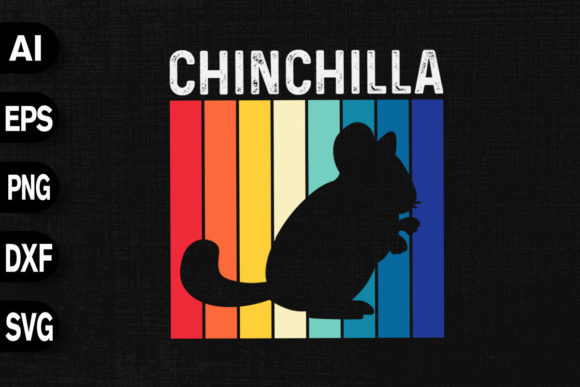
The Retro Vintage Chinchilla immediately strikes me as a piece with serious character. It isn't just a generic animal silhouette; it carries a nostalgic weight that feels perfect for the current resurgence of vintage aesthetics. The visual personality suggests warmth, softness, and a touch of whimsy. For anyone running a small business or selling handmade goods on platforms like Etsy, this design offers a unique opportunity to tap into that "cozy retro" market without looking like every other shop using generic clip art.
Bringing the Design to Life: A Real-World Scenario
To truly understand the potential of this file, let's imagine a specific scenario. You are preparing for the upcoming holiday season, and you want to create a special line of boutique products for your online store. You decide to focus on custom embroidered tote bags and cozy sweatshirts featuring the Retro Vintage Chinchilla.
Imagine stitching this design onto a heavy cotton canvas tote bag. The vintage style of the chinchilla pairs beautifully with the rustic texture of the fabric. Unlike a modern, sharp vector that might look too cold on canvas, the softer lines of this design blend naturally with the weave. Customers walking through a craft fair or browsing your Etsy shop would likely react positively because the design feels personal and curated rather than mass-produced. It elevates a simple tote bag into a statement piece.
Now, consider applying this same design to a baby onesie or a nursery pillow cover. The gentle curves and friendly vibe make it an excellent choice for personalized gifts. Parents often look for items that feel safe and comforting, and the Retro Vintage Chinchilla delivers exactly that emotional connection. It transforms a standard garment into a cherished keepsake, increasing the perceived value of your handmade product. This is where the design shines: it doesn't just decorate; it tells a story.
Performance on Various Textiles and Garments
When evaluating the Retro Vintage Chinchilla for real-world application, versatility is key. This embroidery file is robust enough to handle various surfaces, but each material requires a different approach. On sturdy fabrics like denim jackets or thick hoodies, the design holds its shape well. The fill stitches provide enough coverage to ensure the colors pop against dark backgrounds, making it ideal for sweatshirt embroidery where contrast is crucial.
However, the design also works wonders on lighter, more delicate items. If you are creating baby embroidery projects, such as bibs or soft blankets, the design's layout needs to be considered carefully. While the chinchilla itself is charming, the surrounding elements must not overwhelm the small scale of the item. In these cases, the design acts as a focal point that draws the eye without feeling cluttered. It is particularly effective for tote bag design applications where the flat surface allows for precise placement and maximum visibility.
For commercial use, such as branding for a coffee shop or a boutique, this design can serve as a logo element or a decorative accent on aprons and kitchen towels. The vintage aesthetic aligns perfectly with artisanal brands that want to project a sense of history and quality. Whether you are producing holiday embroidery items or creating year-round merchandise, the Retro Vintage Chinchilla offers a timeless appeal that rarely goes out of style.
Navigating Technical Challenges and Limitations
While the design is visually appealing, no professional review would be complete without addressing where it might stumble. Every embroidery project has its constraints, and understanding them is vital for maintaining a high standard of work. One area to exercise caution is with small hoop sizes. If you attempt to stitch this design on a very small area, such as a cap patch or a tiny accessory, you risk losing detail. The intricate parts of the vintage style may become muddy if the stitch count exceeds the available space.
Fabric texture plays a significant role as well. Stretchy fabrics, like jersey knits used for t-shirts, require careful stabilization. Without proper support, the stitch density of the design could cause the fabric to pucker, ruining the clean lines of the chinchilla. Similarly, thin fabrics may not support the weight of the threads needed for a dense fill, leading to visible holes or distortion. In these situations, choosing the right stabilizer is not optional; it is essential.
Dense stitch areas can sometimes present challenges on curved surfaces like caps. The tension of the machine might vary across the curve, causing some threads to sit higher or lower than others. If the design includes tiny lettering or fine details, these can be lost entirely on a curved brim. Additionally, for products that need frequent washing, such as daily-use aprons or kitchen towels, the durability of the thread and the tightness of the stitches must be verified. If the design relies heavily on long satin stitches, they might snag more easily than shorter, denser fills.
Practical Notes for the Designer
Before committing to a large production run or selling a batch of finished items, there are several critical steps every designer should take. First and foremost, test the design on scrap fabric that matches your final project material. This allows you to see how the thread colors interact with the fabric and whether the stitch density creates any unwanted puckering. Check the hoop size required to ensure the entire design fits comfortably without cutting off edges.
Inspect the small details closely under good lighting. Sometimes, what looks clear on a computer screen becomes blurry once stitched. If the design includes fine lines, consider simplifying them slightly or adjusting the stitch type to ensure clarity. It is also wise to test the design in black and white mockups to evaluate the contrast before investing in expensive threads. Compare how the Retro Vintage Chinchilla looks on both light and dark backgrounds to determine the best color combinations for your target audience.
Proper stabilization is non-negotiable. Always use a stabilizer that matches the weight and stretch of your fabric to prevent shifting during the stitching process. Furthermore, confirm the licensing terms of the digital embroidery file before selling finished products. Ensure you have the rights to use the design commercially and understand any restrictions on the number of units you can produce. These checks protect your reputation and ensure your craft business remains compliant and professional.
Final Thoughts on Visual Appeal and Value
In conclusion, the Retro Vintage Chinchilla is a strong addition to any designer's library. It successfully bridges the gap between playful nostalgia and professional execution. When applied correctly, it enhances the visual appeal of a product, boosting customer trust and engagement. The design's ability to convey a specific mood makes it a valuable asset for custom apparel and personalized gifts.
Whether you are an Etsy seller looking to refresh your inventory, a small shop owner creating branded merchandise, or a hobbyist making gifts for friends, this design offers a reliable foundation for creativity. It respects the limitations of the medium while maximizing the charm of the subject. By following practical guidelines and testing thoroughly, you can turn this digital asset into a stunning finished product that stands out in a crowded market. The Retro Vintage Chinchilla is not just a graphic; it is a tool for building a brand that values quality, detail, and heart.