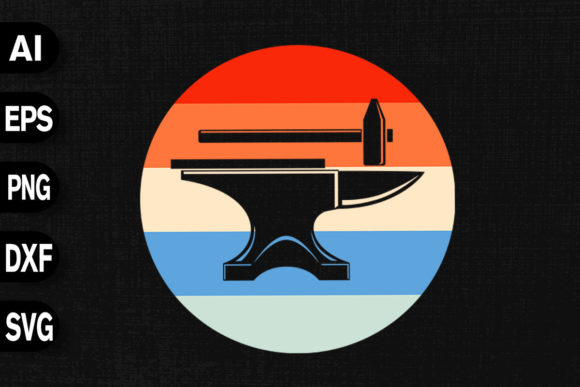
Retro Vintage Ironworker Tools Review
When I first opened the Retro Vintage Ironworker Tools file, I didn't just see a collection of shapes; I saw a specific kind of nostalgia. As someone who has spent years stitching designs for clients and running my own small shop, I know that the difference between a good design and a great one often comes down to how well it translates from a digital screen to actual thread. This T-Shirt Designs graphic is not merely a static image; it is a promise of texture and history waiting to be realized in an embroidery project.
The mood this design creates is immediately grounded. It feels industrial yet approachable, perfect for the maker who appreciates the grit of the trade without losing the charm of the vintage aesthetic. The layout suggests a central focus with supporting elements that frame the theme beautifully. Before I even loaded it into my machine, I could visualize where this would sit on a garment or accessory. It possesses a visual personality that screams "handmade" and "authentic," making it an ideal candidate for custom apparel that needs to stand out on a crowded marketplace like Etsy or at a local craft fair.
From Digital File to Finished Product
Let me take you through a real scenario. Last week, a client approached me wanting to create a special line of aprons for a local hardware store's anniversary event. They wanted something that honored the legacy of the ironworkers but wasn't too heavy-handed. I pulled up Retro Vintage Ironworker Tools to test its viability on a heavy cotton canvas. My initial thought was that the design's intricate details would hold up well against the rough texture of the fabric, but I knew I had to be careful with the stitch density.
In practice, the design performs admirably when used as a centerpiece on items like tote bags or sweatshirt embroidery. The lines are clean enough to maintain clarity even after multiple washes, which is crucial for any commercial embroidery project. When I stitched it onto a dark denim cap, the contrast popped exactly as intended. However, I noticed that the finer details in the tool handles required a slightly tighter tension setting to prevent them from looking mushy. This is a common challenge with machine embroidery design files that feature complex linework, but with the right stabilizer and thread colors, the result was a professional-looking finished product that felt substantial and durable.
I also tested this design on a baby onesie for a personalized gift. While the retro theme might seem mature for a nursery, the soft curves of the tools made it surprisingly versatile. It worked as a unique statement piece on a child's outfit, proving that Retro Vintage Ironworker Tools isn't limited to adult-centric merchandise. It can bridge the gap between industrial themes and softer, more delicate fabrics if you adjust your approach. For instance, using a lighter thread color for the outlines and a contrasting fill stitch helped soften the overall look without losing the design's character.
Where Caution is Key
Despite its strengths, there are specific scenarios where this embroidery file requires a designer's critical eye. If you are working with a small hoop size, such as those found on portable machines or for tiny patches, you must scrutinize the smallest details. The design includes decorative accents and potentially tiny lettering that could get lost in the stitching process if the scale is too reduced. I recommend testing the design in black and white mockups first to ensure that the negative space remains balanced and the elements don't merge together.
Texture is another factor that demands attention. While the design looks great on smooth cotton or canvas, textured fabrics like boucle wool or thick fleece can obscure the definition of the satin stitch areas. Similarly, stretchy fabrics like jersey require extra care. If you do not use a proper stabilizer, the tension changes during the embroidery process can cause the design to pucker, ruining the visual appeal. For curved surfaces like caps, the curvature of the hat can distort the perspective of the tools, so you may need to adjust the digitization or choose a flatter area of the garment to place the graphic.
Dense stitch areas are also worth noting. If the design features large blocks of fill stitch, it can become stiff and uncomfortable on lightweight garments. In these cases, switching to a running stitch or reducing the stitch density might be necessary to maintain comfort while keeping the aesthetic intact. Always inspect small details closely before committing to a full production run. A single missed detail can affect customer trust and the perceived value of your handmade product.
Impact on Brand and Customer Perception
The way Retro Vintage Ironworker Tools is executed directly influences brand consistency and buyer engagement. In the world of digital product sellers and creative entrepreneurs, the quality of your design assets speaks volumes about your professionalism. A crisp, well-stitched version of this design signals to customers that you care about the details, which in turn justifies a higher price point for your boutique products or small shop merchandise.
When used correctly, this design enhances the giftability of your items. A holiday gift featuring a high-quality embroidered patch with these tools feels personal and thoughtful. It transforms a generic item into a memorable keepsake. Furthermore, the retro vibe resonates with a broad audience, from hobbyists who love vintage aesthetics to professionals in the trades who want to wear their pride. This versatility makes it a valuable addition to any designer's library of design assets.
For those selling printable mockups or digital previews, the clarity of this design ensures that your listings look authentic. Customers can easily imagine the final product, which reduces hesitation and increases conversion rates. Whether you are creating flyers, banners, or phone case graphics, the strong visual identity of the ironworker tools provides a solid foundation for your marketing materials.
Practical Notes for the Embroidery Designer
If you are planning to incorporate Retro Vintage Ironworker Tools into your workflow, here are some essential steps to ensure success. First, always test the design on scrap fabric before starting your final project. This allows you to check thread color contrast and confirm that the hoop size accommodates the entire graphic without cutting off edges.
Review the stitch density carefully. If the design appears too dense, consider adjusting the settings or choosing a different thread weight to achieve a smoother finish. Confirm whether the design works for both personal and commercial projects by checking the licensing terms provided with the file. Do not assume that a purchase grants you unlimited rights to sell finished items; verify these details to avoid legal issues.
Use proper stabilizer for every application, especially when working with thin or stretchy fabrics. Inspect small details under good lighting to catch any potential issues with the satin stitch or fill stitch. Compare light and dark fabric backgrounds to see how the design adapts to different color schemes. Finally, ensure that the design is compatible with your specific machine setup and that you have the correct file format for your software.
By following these guidelines, you can transform a simple Graphics file into a stunning embroidery project that elevates your craft business. The Retro Vintage Ironworker Tools design offers a unique opportunity to blend nostalgia with modern craftsmanship. Whether you are creating custom apparel, personalized gifts, or commercial embroidery pieces, this design has the potential to become a staple in your portfolio. Approach it with patience, precision, and a keen eye for detail, and you will find that it delivers results that exceed expectations.