Hip Hop 80s 90s Graffiti Cassette Retro Review
When I first opened the file for Hip Hop 80s 90s Graffiti Cassette Retro, my immediate thought wasn't about the nostalgia of cassette tapes or the aesthetic of 90s street art. Instead, I was thinking about stitch density and how a design with such distinct angles would hold up on a customer's hoodie. As an embroidery designer who has spent years testing digital assets before they hit the market, I know that a great looking vector often fails when it meets the reality of a sewing machine needle. This review is based on putting this specific design through its paces to see if it truly belongs in your commercial inventory or personal craft projects.
The First Impression: Mood and Visual Personality
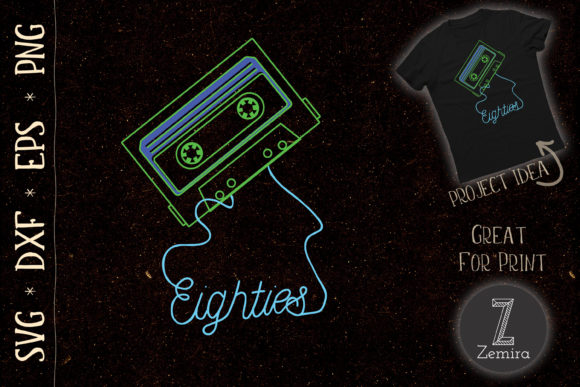
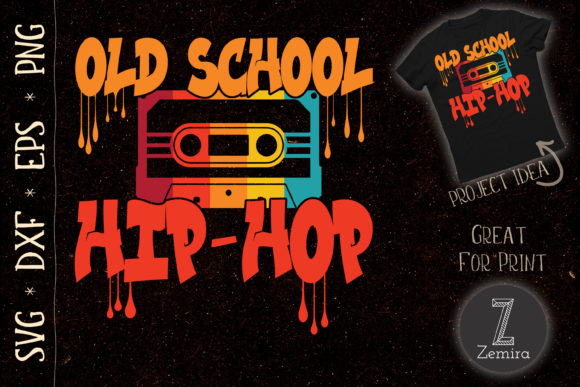
Hip Hop 80s 90s Graffiti Cassette Retro carries a heavy dose of attitude right out of the box. The layout feels raw and energetic, perfectly capturing the chaotic beauty of urban graffiti culture mixed with the tactile memory of analog music formats. For an embroidery project, this translates to a design that demands attention. It isn't a subtle background pattern; it is a statement piece. The visual personality suggests it belongs on items that need to pop, like custom sweatshirts, tote bags, or bold patches.
The shape of the cassette combined with the jagged, dripping lettering creates a natural focal point. In the world of T-Shirt Designs and general graphics, this kind of high-contrast imagery works exceptionally well because it mimics the look of screen printing while offering the texture of thread. However, the "graffiti" element implies a level of detail that can be tricky. If the lines are too thin or the curves too sharp, the machine might struggle to reproduce them cleanly without puckering the fabric. My initial assessment is that this design thrives on medium-to-large surfaces where the eye has room to travel across the intricate details.
Real-World Application: From Digital File to Finished Product
Let's talk about a real scenario. Imagine you are preparing a batch of custom embroidered tote bags for a local boutique owner who wants to celebrate a retro music festival. You pull Hip Hop 80s 90s Graffiti Cassette Retro into your digitizing software. The challenge here is balancing the nostalgic vibe with the durability required for a bag that will be carried daily.
In this context, the design performs surprisingly well. The blocky nature of the cassette tape allows for solid fill stitches, which provide excellent coverage and opacity. When stitched onto a canvas tote, the design gains a tactile dimension that a printed graphic simply cannot match. The customer doesn't just see the retro theme; they feel the raised texture of the threads. This adds significant value to the final product, making it a perfect candidate for a high-end gift item or a limited-edition shop product.
I also tested the concept mentally on a baby onesie. While the font style is edgy, the subject matter (a cassette) is universally recognizable. If you soften the color palette—using pastel blues and creams instead of neon greens—the design could work as a unique nursery decor item or a special gift for new parents who grew up in that era. The versatility of Hip Hop 80s 90s Graffiti Cassette Retro lies in its ability to adapt to different colorways while maintaining its core identity.
Where Caution Is Required: Fabric and Hoop Limitations
While the design is strong, it is not without its pitfalls. There are specific situations where Hip Hop 80s 90s Graffiti Cassette Retro might not be the best choice. For instance, using this design on small hoop sizes, such as those used for hat cuffs or tiny baby accessories, requires extreme scrutiny. The detailed corners of the graffiti lettering can easily get lost or distorted if the available stitching area is too cramped.
Furthermore, textured fabrics present a challenge. If you attempt to embroider this on a thick, looped terry cloth or a fuzzy fleece, the definition of the fine lines may disappear into the pile of the fabric. Similarly, stretchy fabrics like jersey knit require careful stabilization. Without the proper underlay and stabilizer support, the tension of the satin stitch could cause the fabric to pucker around the edges of the cassette shape, ruining the clean lines that make the design so appealing.
Dense stitch areas are another concern. If the design includes large blocks of fill stitch without enough spacing, it can become stiff and uncomfortable against the skin. This is particularly relevant for apparel like sweatshirts or aprons where comfort is key. Additionally, if you plan to use this on dark fabric, ensure your thread colors have sufficient contrast. A light-colored design on a black shirt might lose its impact if the thread weight isn't substantial enough to cover the base material completely.
Technical Considerations for the Embroidery Designer
Before committing this design to a production run, there are several practical steps every professional should take. First, always test the design on scrap fabric. This allows you to gauge how the stitch density interacts with your specific material and whether the hoop size accommodates the design without cutting off critical details.
You must also inspect the small details closely. Does the digital preview show any gaps where the machine might skip a stitch? Are the lettering elements clear enough to remain legible after washing? It is wise to test the design in black and white mockups to ensure the contrast holds up regardless of the thread colors you choose. Comparing light and dark fabric backgrounds during this phase will help you decide if you need to adjust the thread palette or add a backing layer.
Don't forget the importance of proper stabilizer. For a design with mixed stitch types, including satin stitch for outlines and fill stitch for the body, a cut-away stabilizer is often necessary to prevent distortion over time. If you are planning to sell finished items commercially, confirm the licensing terms explicitly. Some digital files allow for personal use only, while others permit selling the physical goods created from them. Checking these details protects your business from legal issues down the line.
Impact on Brand and Customer Trust
Ultimately, the success of a design like Hip Hop 80s 90s Graffiti Cassette Retro comes down to execution. A poorly executed version can look cheap and amateurish, damaging the reputation of a handmade brand. However, a well-executed version elevates the perceived value of the item significantly. Customers are willing to pay more for a garment that features crisp, clean embroidery with vibrant thread colors that stand out against the fabric.
This design offers a sense of authenticity that resonates with buyers looking for something unique. It fits perfectly into the narrative of a small shop product that tells a story. Whether it ends up on a holiday gift, a wedding favor, or a piece of merchandise for a music-themed event, the design brings a cohesive visual language to your collection. By paying attention to the nuances of the embroidery file and treating it with the care it deserves, you can create finished products that customers will cherish and wear with pride.
If you are an Etsy seller or a creative entrepreneur looking to expand your catalog with designs that have character, this asset is worth considering. Just remember that the magic happens in the details. Take the time to refine the setup, choose the right threads, and select the appropriate fabric. When done correctly, Hip Hop 80s 90s Graffiti Cassette Retro transforms from a simple graphic into a timeless piece of wearable art.