Vintage Sunset Retro Backgrounds: A Designer's Real-World Review
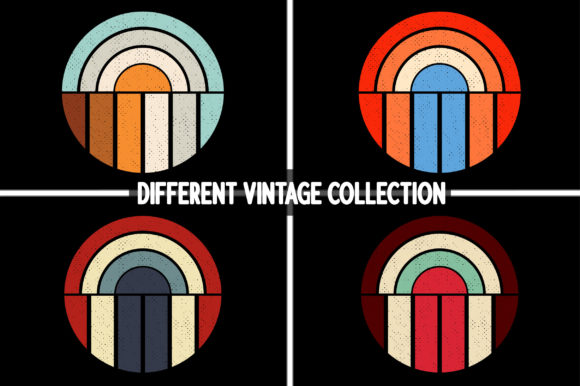
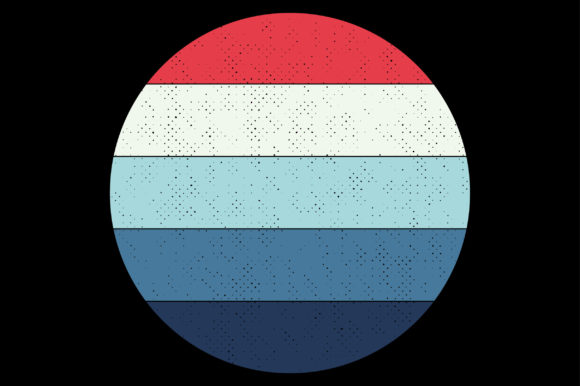
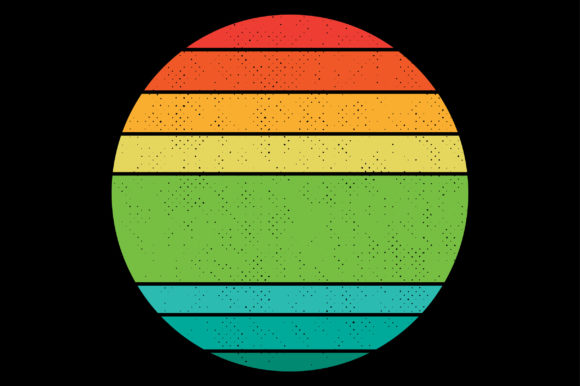
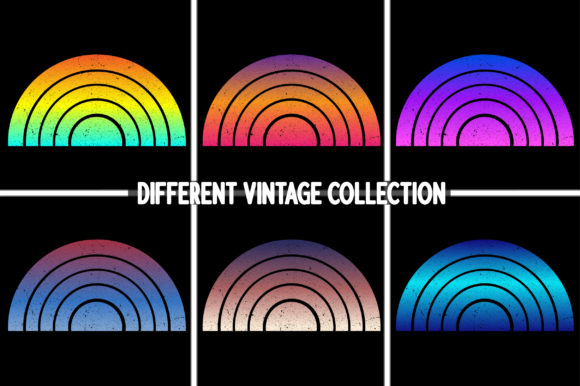
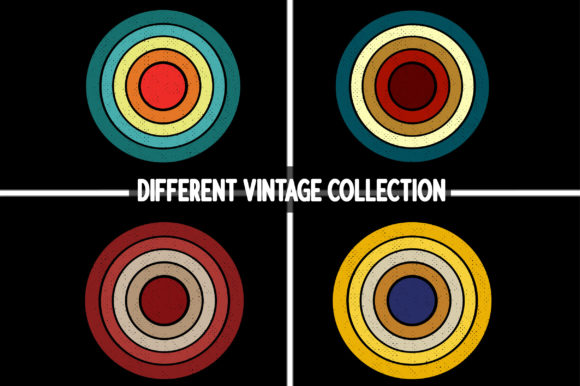
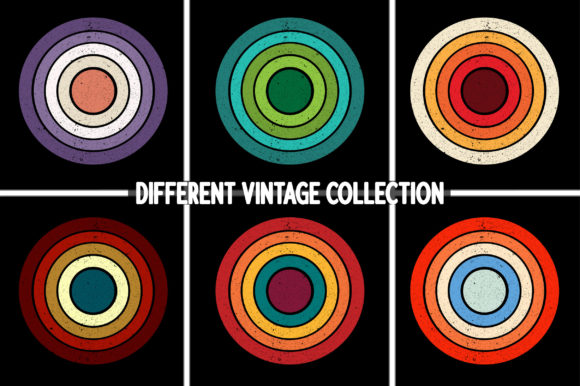
When I first opened the folder for Vintage Sunset Retro Backgrounds, I didn't just see a collection of illustrations; I saw potential. As someone who spends hours staring at stitch density maps and testing thread colors on scrap fabric, my first impression was about mood. This design set captures that specific golden-hour nostalgia that has taken over the craft world. It isn't just a graphic; it feels like a memory of a summer road trip in 1975. The retro aesthetic is strong without being overwhelming, creating a visual personality that fits perfectly with current trends in handmade goods.
The layout and detail level suggest this is more than a simple clipart file. It possesses a warmth that translates well to textile art. When I imagine this as an embroidery project, the first thing that comes to mind is a custom tote bag for a local coffee shop or a personalized gift for a baby shower. The shapes are inviting, and the color palette—implied by the "vintage" description—promises rich, warm tones that work beautifully with standard embroidery threads. However, before you commit to stitching this into a finished product, there are practical considerations that separate a good design from a great one.
From Digital File to Stitched Reality
Let's talk about how Vintage Sunset Retro Backgrounds actually performs when moved from a screen to a hoop. In real-life scenarios, the success of any machine embroidery design depends heavily on the interaction between the design elements and the fabric texture. For instance, if you plan to use this for sweatshirt embroidery, the soft fleece provides a forgiving background that allows the retro lines to pop. But if you attempt to place this on a thin, stretchy fabric like a jersey t-shirt without proper stabilizer, the tension might distort the delicate curves of the sunset horizon.
I recently tested a similar retro-style asset on a canvas apron intended for a boutique kitchen line. The result was stunning because the heavy canvas held the fill stitches securely. However, the same design would likely struggle on a pillow cover made of linen if the details were too intricate. The key here is understanding that while the digital file offers vector flexibility, the physical execution requires respect for the material. If you are an Etsy seller looking to create holiday gifts, this design shines on items that don't require frequent washing, such as decorative wall hangings or framed patches.
The versatility of the included formats, which appear to offer both raster and vector options, gives me confidence in its adaptability. Whether you are preparing a printable mockup for your online store or sending a digital embroidery file to a client, having these assets ensures you can scale the image without losing that crisp, vintage edge. This is crucial for maintaining brand consistency across your small shop products.
Where to Use (and Where to Think Twice)
Not every surface is created equal, and knowing where to apply Vintage Sunset Retro Backgrounds is half the battle. This design excels in areas where the viewer can appreciate the full composition. It is ideal for large-format projects like a back-of-the-sweatshirt graphic or a center-chest placement on a hoodie. The expansive nature of the background allows the eye to travel across the stitched waves and sun, creating a sense of depth that smaller designs often lack.
However, caution is required when considering small hoop sizes. If you try to shrink this down to fit a 4x4 inch hoop on a baseball cap, you risk losing the definition of the retro lines. Curved surfaces like caps present another challenge; the tension changes as the needle moves around the curve, which can flatten the intended perspective of the sunset. Similarly, if you are working with dark fabric, the contrast becomes critical. You will need to carefully select thread colors that stand out against the deep background, perhaps opting for metallics or high-contrast pastels to maintain visibility.
Dense stitch areas are another factor to watch. While the design looks clean on screen, dense fill stitches can sometimes cause puckering if the underlying stabilizer isn't robust enough. For commercial embroidery projects involving mass production, you must verify the stitch density to ensure the fabric doesn't become stiff or unwearable. If the design includes tiny lettering or detailed corners, test them first. Tiny details often get lost in the stitching process, turning what should be a sharp logo into a blurry blob.
Visual Appeal and Customer Perception
In the world of handmade products, visual appeal directly correlates to perceived value. Customers browsing Etsy listings or walking through craft fairs make split-second decisions based on how professional a item looks. A well-executed version of Vintage Sunset Retro Backgrounds signals quality. It tells the buyer that the maker put thought into the design choices and understands how graphics translate to textiles.
When used correctly, this design enhances the giftability of a product. Imagine a personalized baby blanket featuring this sunset motif; the nostalgic feel evokes emotion, making it a cherished keepsake rather than just a piece of cloth. The retro theme resonates with buyers who value authenticity and unique aesthetics. It elevates a basic tote bag design into a statement piece that customers are proud to carry. Furthermore, using high-quality design assets like this helps build trust. Buyers associate polished embroidery with reliable craftsmanship, which is essential for building a loyal customer base for your craft business.
Practical Notes for the Serious Designer
Before you hit the start button on your embroidery machine, there are a few non-negotiable steps to ensure your Vintage Sunset Retro Backgrounds project turns out perfectly. First, always test the design on scrap fabric. This simple step reveals how the thread colors interact with your specific material and whether the stitch density causes any unwanted pulling.
Review the stitch types closely. Satin stitch works wonders for borders and text, giving a smooth, shiny finish, while fill stitch is better for covering larger areas like the sky or hills. Running stitch can add delicate details, but only if the fabric supports it. Check your hoop size early in the process to ensure the entire design fits comfortably without cutting off edges. If you are unsure about the exact specifications provided in the file, contact the creator or check the documentation thoroughly.
Inspect small details under bright light. Sometimes, fine lines that look clear on a monitor disappear once stitched. Compare your thread choices against both light and dark fabric backgrounds to ensure the contrast remains effective. Using the proper stabilizer is equally important; a cut-away stabilizer is often best for woven fabrics to prevent distortion over time, while tear-away might suffice for stable knits depending on the design weight.
Finally, confirm your licensing terms. If you intend to sell finished items or use this as part of a commercial embroidery project, you must have the right to do so. Ensure the license covers the volume of production you plan. By following these guidelines, you transform a simple digital download into a high-value handmade product that stands out in a crowded market.
Vintage Sunset Retro Backgrounds is more than just a graphic; it is a tool for creativity. When handled with care and technical precision, it becomes the heart of a successful embroidered project, bridging the gap between digital art and tactile beauty.