Sunset Retro Vintage: A Designer's Review for Real Embroidery
When I first opened the folder labeled Sunset Retro Vintage, my immediate thought wasn't about file formats or vector paths. It was about the feeling it evoked. There is a specific kind of warmth that comes from a well-executed retro aesthetic, and this design captures that nostalgic summer vibe perfectly. As someone who has spent years turning digital assets into tangible, stitched products for clients and craft fairs, I look for more than just a pretty image. I need to know if a design holds up under the needle, how it translates from a screen to fabric, and whether it will make a customer stop scrolling on Etsy.
This review is not a generic product description. It is a practical assessment of how Sunset Retro Vintage performs in real-world scenarios. Whether you are an experienced machine embroidery designer or a small business owner looking to expand your handmade product line, understanding the nuances of this graphic is crucial before you commit to production.
The First Impression: Mood and Visual Personality
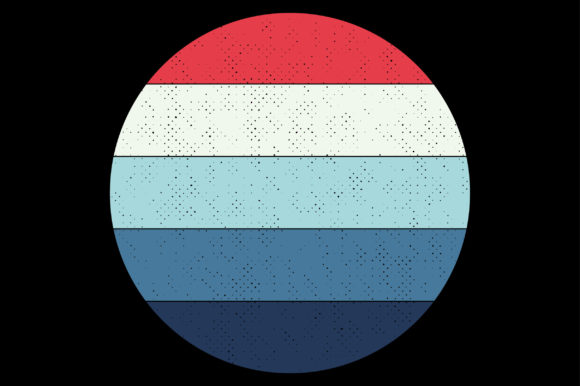
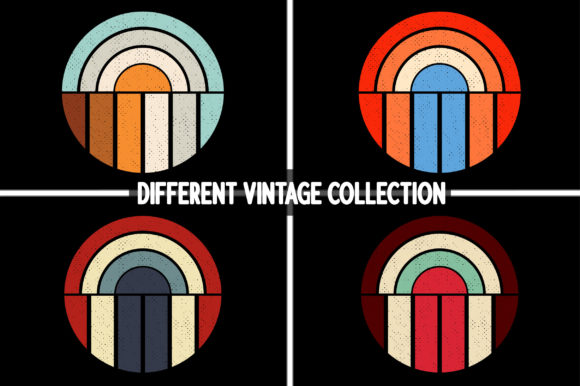
The Sunset Retro Vintage clipart immediately stands out because of its distinct visual personality. It isn't trying to be modern minimalism; it embraces the bold lines and warm gradients typical of mid-century aesthetics. When I look at the layout, I see a design that naturally belongs on items meant to evoke comfort and nostalgia. The shape is inviting, and the detail level feels balanced—it offers enough character to be interesting without becoming so cluttered that it loses clarity when stitched.
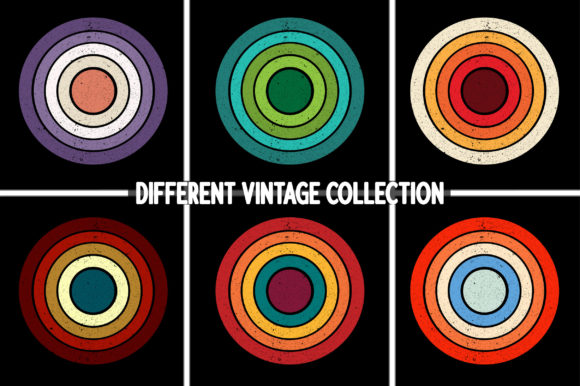
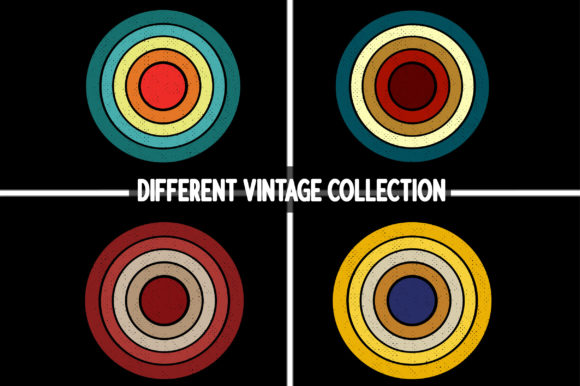
In the world of illustrations and graphics for textiles, mood is everything. This piece creates a sense of relaxation and joy. It feels like a perfect match for a cozy sweatshirt, a breezy tote bag, or a cherished baby item. The color potential is vast, which is a huge plus for customization. Since the source files allow for color changes, you aren't locked into a single palette. You can adapt the sunset hues to match a brand's identity or a client's specific request, making it a versatile asset for any embroidery project.
Real-World Application: From Screen to Stitch
Let's talk about a scenario I encounter often: preparing a custom order for a local boutique. Imagine a client wants a set of matching aprons for a new coffee shop with a vintage theme. They want something unique but not overly complex. Sunset Retro Vintage fits this brief perfectly. On a heavy cotton canvas apron, the design would anchor the garment beautifully, offering a focal point that draws the eye without overwhelming the wearer.
I also see strong potential for custom apparel like sweatshirts and t-shirts. The retro style pairs exceptionally well with heather grey or soft cream fabrics, where the contrast allows the colors to pop. For a holiday gift or a personalized present, this design adds a touch of professionalism that elevates a simple garment into a keepsake. If you are an Etsy seller or run a small shop product line, having a design like this in your library means you can quickly create listings for back-to-school seasons, summer festivals, or even wedding gifts where a "golden hour" theme is popular.
The versatility extends to home decor as well. Picture this design embroidered on a pillow cover or a kitchen towel. The warmth of the sunset motif brings a welcoming atmosphere to a nursery or a dining room. It works as a standalone statement piece or as part of a larger collection of seasonal designs. For commercial embroidery, the clean lines suggest it could scale well, provided the stitch density is managed correctly.
Where to Use Caution: Technical Considerations
While Sunset Retro Vintage is a beautiful asset, no design is universally perfect. As a reviewer, I must highlight where this design might struggle. If you are working with a very small hoop size, such as those used for hats or delicate jewelry tags, the intricate details of the sunset rays or the curves of the horizon might get lost. In these cases, the design could appear muddy or lose definition entirely.
Fabric choice is another critical factor. Textured fabrics, like bouclé or thick chenille, can distort the fine lines of a retro graphic. Similarly, stretchy fabrics like jersey require careful stabilization; if the tension isn't right, the curves of the sunset might pucker, ruining the smooth silhouette the design aims for. Dark fabrics present a challenge too. While the design allows for color changes, using light thread colors on dark backgrounds requires high-density underlay work to ensure opacity. Without proper technique, the colors might bleed into each other or fail to show up vividly.
Curved surfaces, such as baseball caps, demand extra attention. The natural curvature of the cap can stretch the design, making the horizon line look uneven. For embroidered patches intended for iron-on application, you must ensure the backing is stable enough to handle the heat and pressure without warping the stitch density. If the design includes tiny lettering or very thin decorative accents, test these elements rigorously. Sometimes, what looks crisp on a screen becomes illegible once the threads interlock.
Impact on Brand and Customer Trust
The quality of your embroidery directly influences customer trust. A sloppy stitch job can ruin a great design, but a well-executed one builds brand consistency. Sunset Retro Vintage has the potential to elevate your finished product value. When a customer receives a tote bag or a baby onesie with a clean, vibrant, and professionally stitched design, they perceive higher value. This leads to better reviews, repeat business, and word-of-mouth referrals.
For digital product sellers creating mockups, this design is excellent for showcasing your capabilities. A high-quality printable mockup featuring Sunset Retro Vintage can attract buyers looking for trendy, vintage-inspired items. However, remember that the final result depends on your execution. The design itself is only half the battle; the other half lies in your choice of thread colors, stabilizer selection, and machine settings.
Practical Designer Notes for Success
Before you load this file into your machine, there are essential steps to take. First and foremost, always test the design on scrap fabric. This is non-negotiable. You need to verify how the stitch density interacts with your specific fabric type. Check the contrast between the thread and the material. A design that looks amazing on white might vanish on navy blue if you don't adjust the underlay or thread choice.
Review the file structure carefully. The product description mentions various formats including PNG, JPG, AI, SVG, and EPS. Ensure you are opening the correct vector file for your software to avoid resolution issues. Confirm the hoop size requirements and check if the design needs resizing. If you plan to sell finished items, double-check the licensing terms. Not all digital embroidery files come with commercial rights, and assuming you have them can lead to legal trouble.
Use a proper stabilizer for the fabric weight you are using. For lightweight materials, a tear-away or cut-away stabilizer is vital to prevent puckering. Inspect the small details of the design closely. Are the corners sharp? Is the satin stitch coverage even? If the design relies on running stitch for fine details, ensure your machine can handle the length without skipping stitches.
Finally, compare your design in both black and white mockups. This helps you visualize the value and contrast independent of color. It forces you to focus on the composition and flow of the embroidery file. By taking these precautions, you ensure that Sunset Retro Vintage delivers the professional, polished look that your customers expect.
Ultimately, this design is a strong contender for anyone looking to add a touch of retro charm to their portfolio. With careful planning and technical precision, it can become a staple in your collection of design assets. Happy stitching!