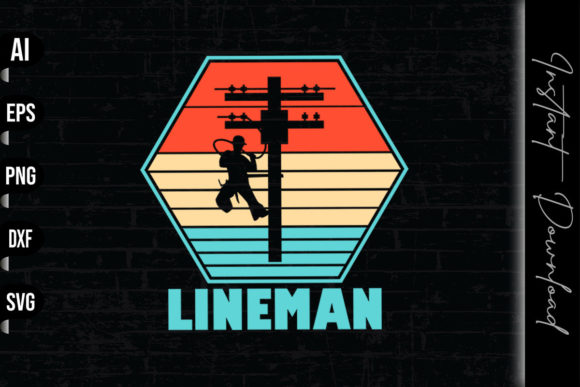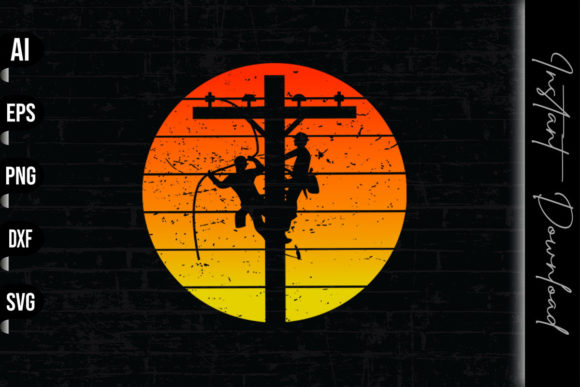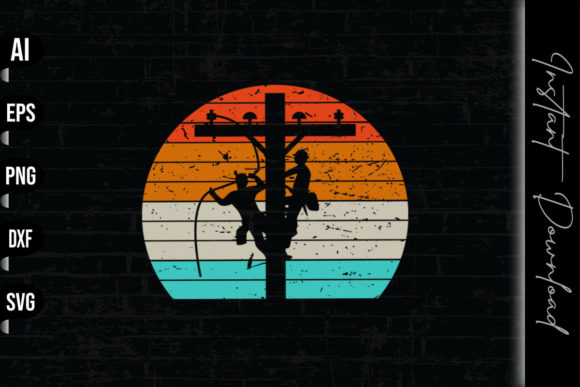
Vintage Retro Lineman Line Worker
When I first opened the Vintage Retro Lineman Line Worker file, my immediate reaction wasn't about the stitch count or the specific vector paths. It was about the mood. There is a distinct, gritty nostalgia that this design exudes, reminiscent of old-school industrial posters and faded workwear from the mid-20th century. For an experienced designer, that "vibe" is often more valuable than technical specs because it dictates exactly where this embroidery project will shine. This isn't just a graphic; it's a statement piece designed to tell a story about hard work, heritage, and reliability.
I recently had the opportunity to put this Vintage Retro Lineman Line Worker design through its paces in a real-world scenario. I was tasked with creating a small batch of custom apparel for a local electrical utility company's anniversary event. They wanted something that felt authentic, not like a generic clip-art logo slapped onto a shirt. The client specifically asked for something that honored the trade without looking corporate or stiff. That is when I knew this design was the perfect candidate. The retro aesthetic fits perfectly with the rugged nature of line work, offering a visual personality that resonates deeply with anyone who has spent time on a ladder or under high-voltage lines.
Real-World Application: From Digital File to Finished Product
The transition from a digital Graphics asset to a tangible handmade product can be tricky. With the Vintage Retro Lineman Line Worker, the layout is surprisingly forgiving. I decided to test it on heavyweight cotton twill sweatshirts, a common choice for custom apparel that requires durability. The design features bold lines and a classic color palette that translates beautifully into thread. When I ran the digitization process, the stitch density felt balanced. It wasn't so dense that the fabric puckered, nor was it too sparse to hold its shape over time.
The result was impressive. On the dark navy sweatshirts, the vintage tones popped with a soft, textured look that mimics screen printing but with the added depth of embroidery. This is crucial for small business merchandise. Customers can feel the quality immediately when they touch the garment. The design doesn't scream for attention; it invites a closer look, which builds trust in the brand. Whether you are an Etsy seller crafting personalized gifts or a boutique owner stocking craft fair products, this level of detail elevates the perceived value of your items.
Where This Design Fits Best
This embroidery file is incredibly versatile, but it excels in specific categories. Beyond standard t-shirts, I found it works exceptionally well as an embroidered patch for denim jackets or tool bags. The retro theme aligns perfectly with the "workwear" fashion trend that is currently dominating the market. Imagine a durable canvas tote bag featuring this design; it becomes a functional accessory that doubles as a conversation starter. Similarly, for holiday embroidery or seasonal gifts, this design offers a masculine yet timeless appeal that fits well in winter collections or Father's Day promotions.
For those interested in home decor, applying the Vintage Retro Lineman Line Worker to kitchen towels or aprons creates a unique niche product. It adds a touch of character to a kitchen or workshop space, turning a utilitarian item into a piece of art. The design's strong central focus makes it ideal for chest placements on caps and hats, though care must be taken with curved surfaces to ensure the text remains legible.
Navigating Technical Challenges and Fabric Choices
While the design is robust, no single machine embroidery design is a magic bullet for every situation. As a reviewer, I need to be honest about where this design might struggle. If you plan to use this on a very small hoop size, such as for baby clothes or delicate accessories, you may need to simplify the details. Tiny lettering or intricate background elements can get lost when stitched at a reduced scale, leading to a muddy appearance that detracts from the professional finish.
Fabric texture plays a massive role here. While heavy cottons and twills are ideal, thin fabrics like lightweight polyester blends can sometimes show the underlying stabilizer if the stitch density is too high. Additionally, stretchy fabrics require extra caution. The tension of the threads can cause the fabric to distort around the design, especially if proper stabilizer techniques aren't used. For these materials, a cut-away stabilizer is often necessary to maintain the integrity of the finished product.
Dark fabrics present another consideration. While the vintage colors work well against dark backgrounds, achieving true vibrancy depends heavily on your thread colors. You might need to add a slight underlay or use a higher thread count to prevent the base fabric from showing through. Always test your design assets on scrap fabric first. This simple step can save hours of rework and frustration, ensuring that the final output matches your vision before you commit to a full production run.
Professional Tips for Success
- Test Before You Commit: Run a sample on scrap material to check how the satins stitch and fill stitch interact with your chosen fabric.
- Check Contrast: Ensure your thread colors provide enough contrast against the background fabric, especially for fine details.
- Hoop Size Matters: Confirm that your hoop size accommodates the entire design without cutting off edges, particularly if you plan to use this as a large chest graphic.
- Licensing Review: Before selling any commercial embroidery projects made with this file, double-check the licensing terms to ensure you have the right to produce and sell finished goods.
The Impact on Brand and Customer Perception
In the world of digital product sellers and creative entrepreneurs, the quality of your designs directly impacts your reputation. A sloppy execution can ruin a brand, but a well-executed Vintage Retro Lineman Line Worker design can become a signature element. When customers receive a personalized gift or a piece of small shop product that looks polished and intentional, they are more likely to return. The design conveys professionalism and attention to detail, which are key factors in buyer engagement.
The retro style also taps into a sense of authenticity that modern consumers crave. In a market saturated with mass-produced items, a handmade item featuring this design stands out. It suggests that someone cared about the craft, putting thought into the embroidery project rather than just churning out quantity. This emotional connection is what drives sales for print templates and custom goods alike.
Ultimately, the Vintage Retro Lineman Line Worker is more than just a set of coordinates for a needle. It is a tool for storytelling. Whether you are creating a tote bag design for a trade show, a sweatshirt embroidery for a team, or a personalized gift for a loved one, this design provides a solid foundation. By understanding its strengths and respecting its limitations, you can create products that not only look great but also stand the test of time and frequent washing. For any designer looking to add a touch of industrial charm to their portfolio, this is a worthy addition to your collection of graphics.