Vintage Retro Distressed Lineman Review
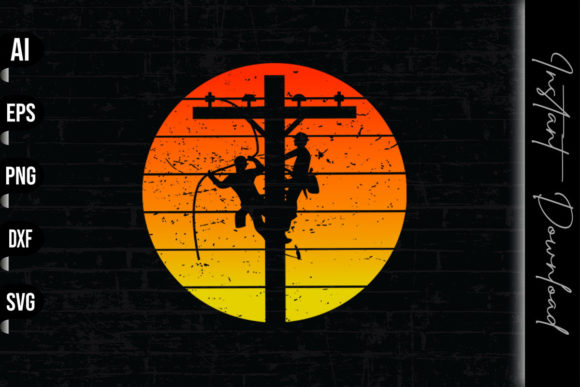
When I first opened the Vintage Retro Distressed Lineman file, my immediate reaction wasn't about stitch counts or file formats. It was about the vibe. There is a specific energy that comes with retro industrial graphics, and this design captures it perfectly. As someone who has spent years reviewing embroidery files for real-world projects, I know that a good graphic is only half the battle; the other half is how it translates from a screen to thread. This piece feels like it belongs in a workshop, a garage, or a rustic boutique, not just on a generic digital mockup.
The aesthetic of Vintage Retro Distressed Lineman relies heavily on that worn-out look. The distressed elements suggest age and durability, which aligns beautifully with the theme of a lineman. For an embroidery designer, this presents a unique challenge and opportunity. Unlike a clean, modern vector that demands perfect precision, this design invites texture. It asks for thread colors that might be slightly muted rather than neon bright. It works best when you want your finished product to feel lived-in and authentic. Whether you are creating a custom apparel item for a local utility company or a nostalgic gift for a father figure, the mood here is right on target.
From Digital File to Finished Product
I recently put Vintage Retro Distressed Lineman to the test during a rush order for a small craft business client. They needed a set of embroidered patches for a trade show booth representing their vintage tool restoration service. The goal was to create something that looked like it had been worn by the workers themselves, not something shiny and brand new. We selected a heavy-duty canvas fabric for the patch backing and chose a palette of faded blues, rusty oranges, and off-whites.
The translation from the Print Templates category into a physical object was surprisingly smooth. The layout of the design allowed for excellent spacing, even with the intentional "distressed" breaks in the lines. When we stitched it out, the fill stitches held up well against the thick canvas. However, I noticed that the smaller details in the distress marks required careful attention. If you are using a machine embroidery design with very fine lines, you must ensure your hoop size is large enough to accommodate the tension without puckering. On a small cap, those delicate broken lines might disappear entirely under the curve of the brim.
This project highlighted exactly where Vintage Retro Distressed Lineman shines. It is not a design for high-fashion streetwear or delicate baby clothes where crisp, sharp edges are preferred. Instead, it excels on items that need character. Think about a tote bag design made from recycled denim or a sweatshirt embroidery project for a winter holiday gathering. The ruggedness of the graphic adds value to the perceived quality of the handmade product. Customers often associate this kind of visual storytelling with durability, which increases trust in your brand.
Navigating Fabric and Stitch Density
One of the most critical aspects of working with Vintage Retro Distressed Lineman is understanding how different fabrics interact with the stitch density. Because the design features a distressed look, it naturally contains areas of lower density mixed with solid fill stitches. This variation can be tricky on stretchy fabrics like standard cotton t-shirts or thin jersey blends. If you do not use the proper stabilizer, the fabric will pull, and the "distressed" gaps might close up, making the design look muddy rather than intentionally worn.
I recommend testing this design on scrap fabric first. Specifically, check how the satin stitch handles the edges of the lettering and the main graphic elements. On dark fabrics, the contrast is vital. A light-colored thread on a black background will make the design pop, but if the thread is too thin, the distressed sections might get lost. Conversely, on light fabrics, a darker thread provides a classic, bold look. You should also inspect the small details closely. Sometimes, what looks like a cool scratch mark on a computer screen turns into a tiny blob of thread once stitched. If you are selling these as commercial embroidery assets, you have to decide if those blobs add to the charm or detract from the professionalism.
For products that require frequent washing, such as aprons or kitchen towels, the stability of the design is paramount. The Vintage Retro Distressed Lineman file is versatile enough for these applications, provided you reinforce the stabilizer. A tear-away stabilizer might work for temporary projects, but for a garment that will go through the dryer multiple times, a cut-away stabilizer is usually safer to prevent distortion over time.
Strategic Use Cases for Makers and Sellers
If you are an Etsy seller or a small shop owner looking to expand your inventory, this design offers several distinct angles. It fits perfectly into the niche of personalized gifts for tradespeople. Imagine a customized hat for a grandfather who worked in construction or a pillow cover for a home office dedicated to engineering enthusiasts. The design acts as a badge of honor, celebrating the profession while adding a touch of nostalgia.
In the realm of digital product sellers, offering Vintage Retro Distressed Lineman as part of a larger graphics bundle can be lucrative. You could pair it with other industrial-themed elements to create a cohesive collection for scrapbooking or card making. However, remember that this is primarily an embroidery file. While the description mentions it can be used for vinyl cutting, the true value lies in its application as a machine embroidery design. Ensure your customers understand the difference between a print-ready SVG and a digitized embroidery file to avoid confusion.
There are limitations to consider as well. Curved surfaces like caps present a significant challenge. The flat nature of the design might not flow naturally around the front curve of a baseball cap unless you have a specialized 10-hole or 15-hole hoop setup. Similarly, on textured fabrics like fleece or bouclé, the definition of the design will suffer. The thread gets lost in the fibers, and the distressed effect becomes indistinguishable. In these cases, a simpler, bolder design would yield better results.
Final Thoughts on Professional Application
Ultimately, Vintage Retro Distressed Lineman is a strong addition to any designer's library, but it requires a thoughtful approach. It is not a one-size-fits-all solution. Success depends on selecting the right fabric, the correct thread colors, and the appropriate stabilizer. When executed well, it transforms a simple piece of clothing or a tote bag into a statement piece. It speaks to a love for history, hard work, and the aesthetic of the past.
Before you start your next commercial embroidery project, take the time to review the license terms included with the file. Confirm whether you are allowed to sell finished items created with this design. Once you have cleared those legal bases, focus on the technical execution. Test your stitch density, verify your hoop size, and don't be afraid to adjust the thread colors to suit your specific material. By treating this design with respect and understanding its nuances, you can create finished products that customers will cherish. Whether you are making a holiday gift for a loved one or a boutique product for your online store, this design has the potential to elevate your work significantly.
Remember, the goal of any embroidery project is to bridge the gap between digital creativity and tactile reality. With Vintage Retro Distressed Lineman, that bridge is built on a foundation of character and style. Just ensure you build it carefully, paying attention to every stitch, so the final result matches the vision you had when you first saw the file.