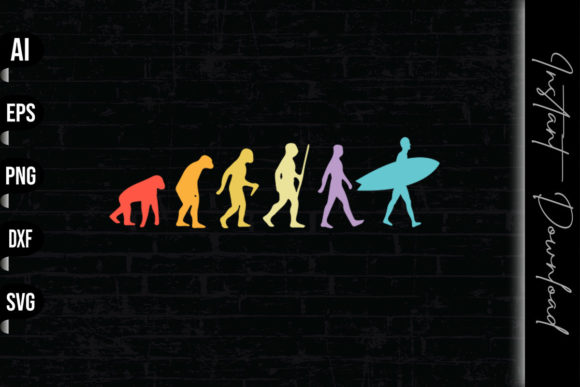
Retro Surfing Evolution: A Designer's Review
I have spent years stitching everything from delicate baby bodysuits to heavy-duty workwear, and I have learned that the difference between a good design and a great one often comes down to how it translates from screen to fabric. When I first opened Retro Surfing Evolution, my initial reaction was less about the technical specs and more about the vibe. It carries a distinct nostalgia, evoking the golden era of surf culture with clean lines and a playful attitude. For an embroidery designer looking to add some summer energy to their collection, this piece feels like it belongs in a boutique shop or on a custom gift for a beach lover.
The First Impression: Mood and Visual Personality
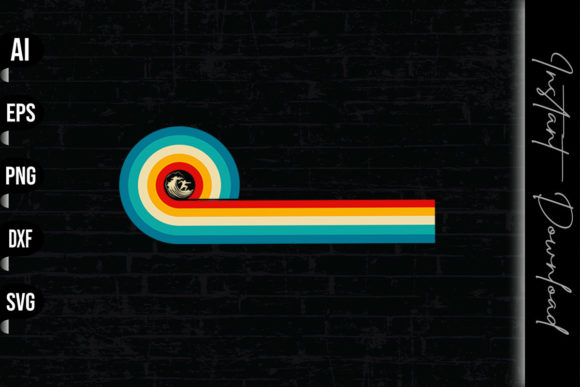
Retro Surfing Evolution isn't just a generic wave; it has a specific personality. The layout suggests movement without being chaotic, which is crucial when you are dealing with the limitations of thread. As a designer, I immediately thought about where this would sit best on a garment. The visual weight seems balanced enough for a left chest placement on a hoodie, but it also has the scale to stand alone as a back print on a t-shirt. The theme is unmistakable, creating an instant connection with anyone who loves the ocean lifestyle. This kind of clear visual storytelling is what makes a product feel premium rather than mass-produced.
Real-World Application: From Screen to Stitch
To truly understand if a design works, I had to put it through a real-world scenario. Imagine I am preparing a batch of custom embroidered tote bags for a local craft fair. These bags need to be durable, eye-catching, and able to withstand the rigors of a busy weekend market. If I were to use Retro Surfing Evolution here, the retro aesthetic would pop beautifully against canvas or cotton twill. The design offers a strong focal point that doesn't require excessive background clutter, making it perfect for a tote bag design where the message needs to be read quickly by passersby.
But let's take it further. What about a personalized gift for a new parent? A baby onesie or a soft muslin blanket requires designs that are gentle yet distinct. The curves in Retro Surfing Evolution mimic the organic shape of a wave, which could translate well into a soft, rounded applique or a satin stitch border on a nursery pillow cover. The design feels safe for children while still maintaining a cool factor that parents appreciate. It bridges the gap between a cute baby item and a stylish accessory, which is a sweet spot for many handmade products.
Performance on Different Fabrics and Garments
When evaluating any embroidery file, the substrate is everything. Retro Surfing Evolution shines on stable fabrics like denim, heavy cotton tees, and structured caps. The retro style relies on bold shapes, which hold up well under the tension of machine embroidery. However, I have to be honest about where caution is needed. If you are working with stretchy jersey knits or very thin, sheer fabrics, this design might cause puckering if not stabilized correctly. The density of the stitches matters significantly here.
For sweatshirt embroidery, the thicker fabric provides a nice cushion, allowing the design to sit proud and look three-dimensional. On a baseball cap, the curved surface adds another layer of complexity. While the design is likely scalable, placing it on a small hoop size on a cap requires careful attention to ensure the details don't get lost in the curve. If the design includes fine text or tiny decorative accents, those elements might struggle on a tight curve or a textured fabric like fleece. In those cases, the risk of losing definition increases, so testing is non-negotiable.
Where to Exercise Caution
Not every project is a match for every design, and Retro Surfing Evolution is no exception. There are specific scenarios where this design might underperform. If you are working with dark fabric, you must consider the thread colors carefully. A light-colored retro wave might get lost against black denim unless you use a high-quality underlay or a contrasting outline. Similarly, on textured fabrics like bouclé or rough linen, the crisp lines of the design may not register clearly, leading to a muddy appearance.
Small hoop sizes present another challenge. If you are trying to fit this design onto a small patch or a miniature accessory, the detail level might become too dense. Over-stitching can lead to a stiff, uncomfortable area on the finished product, which is bad news for custom apparel that will be worn frequently. Additionally, items that require frequent washing, like kitchen towels or aprons, need designs that are robust. While this design looks great, you need to ensure the stitch density is sufficient to prevent fraying over time. Always inspect the small details before committing to a large production run.
Impact on Brand and Customer Trust
In the world of Etsy sellers and small shop products, the quality of your embroidery speaks volumes about your brand. A poorly executed design can make even the most unique concept look amateurish. Retro Surfing Evolution, when stitched correctly, elevates the perceived value of the item. It signals that the maker cares about aesthetics and durability. Customers are willing to pay a premium for a personalized gift that looks professional and thoughtful. The retro theme also taps into a trend that never really dies, ensuring that your finished product remains relevant and desirable.
Furthermore, using a cohesive design like this helps maintain brand consistency across different items. Whether it is a holiday embroidery piece, a wedding gift, or a piece of commercial embroidery for a corporate event, the consistent style builds recognition. Buyers remember the look and feel of your work, and a strong visual identity like this helps them recall your shop when they need something special again.
Practical Notes for the Embroidery Designer
Before you hit the "start" button on your machine, there are a few steps every seasoned designer takes. First, test the design on scrap fabric. This is the only way to see how the stitch density interacts with your specific material. Check the thread color contrast; sometimes a color that looks perfect on a monitor appears dull once stitched. Review the hoop size requirements to ensure the design fits your intended project dimensions without distortion.
Inspect the small details closely. Are there any tiny corners that might tear or look messy? If the design is complex, consider using a proper stabilizer to support the fabric during stitching. It is also wise to test the design in black and white mockups to ensure the composition holds up without relying on color. Compare how it looks on both light and dark backgrounds, as the contrast can drastically change the mood of the final piece.
Finally, confirm whether the design works for both personal and commercial projects. Licensing terms vary, and as a digital product seller or creative entrepreneur, you need to know if you can sell finished items made with this design. Check the file formats and machine compatibility to avoid technical headaches later. By taking these precautions, you ensure that Retro Surfing Evolution delivers the high-quality results you expect, turning a simple digital file into a cherished physical object.