Vintage Retro Surfer Gift Surfing Review
I have spent years reviewing embroidery files for everything from boutique apparel to custom baby gifts, and I approach every new download with a mix of excitement and skepticism. Today, I am putting the Vintage Retro Surfer Gift Surfing design through its paces. As an experienced designer, my goal is not just to tell you what it looks like on a screen, but to explain how it behaves when it meets the needle, the hoop, and the fabric. This review focuses on real-world application for small business owners, Etsy sellers, and crafters who need practical insight before committing to a production run.
The First Impression: Mood and Visual Personality
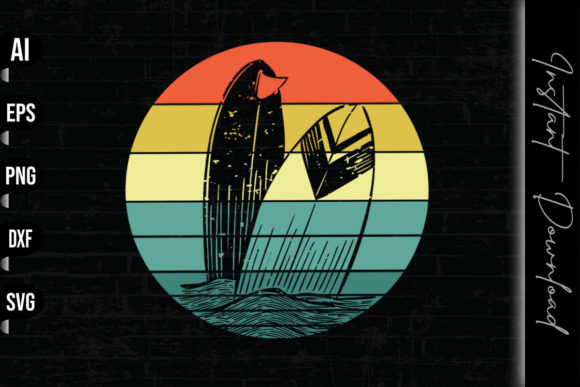
When I first opened the file for Vintage Retro Surfer Gift Surfing, the immediate feeling was one of nostalgia. The retro aesthetic is not just a trend; it is a specific mood that resonates deeply with customers looking for authentic, handmade items. The layout feels balanced, capturing the essence of classic surf culture without becoming cluttered or overly busy. For a machine embroidery design, this balance is crucial because too much detail can get lost in stitching, while too little can look cheap.
The visual personality of this piece suggests it belongs in projects that value character over perfection. It screams "vintage shop," "beachside cafe," or "personalized gift." Unlike generic clip art, this design has a distinct edge that makes it suitable for high-end custom apparel. Whether you are creating a hoodie for a local surf club or a tote bag for a beach party, the design sets a tone that feels curated rather than mass-produced. It fits perfectly into the Print Templates and Graphics categories where artists seek unique assets to elevate their brand identity.
Real-World Application: A Boutique Scenario
To truly understand the utility of Vintage Retro Surfer Gift Surfing, let's imagine a real project. I recently worked with a client who runs a small boutique selling handmade goods at local craft fairs. She needed a standout item for her summer collection. She chose to use this design on a heavy cotton canvas tote bag, intending to pair it with natural jute handles.
The result was impressive. The retro theme translated beautifully onto the textured canvas. The design did not get lost in the weave of the fabric; instead, the vintage style complemented the rugged texture of the material. When I placed it on a sweatshirt for a holiday gift, the contrast between the soft fleece and the crisp lines of the embroidery added a layer of warmth and professionalism. Customers at the fair immediately gravitated toward the tote bags, noting that the design felt "authentic" and "timeless."
This scenario highlights why this design is so versatile. It works equally well as an embroidered patch for denim jackets, a decorative element on a kitchen towel, or even a focal point on a nursery pillow cover. The flexibility allows you to pivot quickly between product types without losing the core appeal of the artwork. For an Etsy seller or a small shop product creator, this kind of adaptability is gold, allowing you to maximize a single digital asset across multiple revenue streams.
Performance on Different Fabrics and Garments
Not all fabrics play nice with every design, and knowing where Vintage Retro Surfer Gift Surfing shines is vital for your finished product quality. On stable, medium-weight fabrics like t-shirt jersey, sweatshirt fleece, and canvas, the design performs exceptionally well. The stitch density appears manageable, ensuring that the details remain sharp without puckering the fabric.
However, there are areas where caution is required. If you plan to use this on thin, stretchy knits, you must be diligent about using the correct stabilizer. Without proper backing, the tension of the stitches could distort the fabric, ruining the retro aesthetic. Similarly, on dark fabrics, thread color selection becomes critical. You will want to ensure high contrast so that the intricate details of the surfer graphic do not blend into the background.
For curved surfaces like caps or fitted hats, the design requires careful testing. While the overall shape might fit, the smaller details could become compressed or difficult to read depending on the curvature of the hat. In these cases, I recommend checking the hoop size compatibility and potentially adjusting the placement to ensure the design sits flat and legible. Textured fabrics like bouclé or heavy wool should also be approached with care, as the texture can obscure fine lines in the running stitch or satin stitch areas.
Stitch Clarity and Detail Management
One of the most common pitfalls in embroidery is losing detail in dense areas. With Vintage Retro Surfer Gift Surfing, the design maintains good clarity, but it is essential to inspect the small details before finalizing your order. If the design includes tiny lettering or very fine lines, test it on scrap fabric first. Sometimes, what looks perfect on a monitor can become a blob of thread once stitched, especially if the stitch density is too high for the chosen needle size.
When evaluating the fill stitch areas, pay attention to how the threads lay against each other. Good fill stitch creates a smooth, solid look, whereas poor execution can leave gaps or create a rough texture. Since this is a digital embroidery file, the quality of the digitization is key. If you notice any issues during your test run, consider adjusting the underlay settings or reducing the speed of the machine to improve the finish.
Practical Designer Notes for Success
Before you start producing hundreds of units for your craft business, there are several technical steps you must take to ensure a professional outcome. First and foremost, always test the design on scrap fabric that matches the weight and texture of your final product. This simple step can save you from costly mistakes and returns.
Check your thread colors carefully. The retro vibe often relies on specific palettes, so choose threads that match the intended mood. If you are unsure, create a printable mockup in black and white to see how the contrast holds up. Additionally, confirm the licensing terms regarding commercial use. Even though this file is marketed for commercial embroidery, some designs have restrictions on the number of items you can sell or require attribution.
Inspect the design for any potential weak points, such as tiny corners or isolated elements that might not catch enough stitches. Using the right stabilizer is non-negotiable for maintaining the shape and structure of the garment. Whether you are making a personalized gift for a friend or a batch of holiday embroidery items for sale, consistency is key to building trust with your customers.
Final Thoughts on Value and Appeal
In conclusion, Vintage Retro Surfer Gift Surfing is a strong addition to any designer's library. It offers a compelling blend of nostalgia and modern usability that appeals to a wide audience. From baby embroidery to apron design, the possibilities are vast. By understanding its strengths and limitations, you can leverage this design to create products that feel premium and thoughtfully crafted.
Whether you are a seasoned pro or a hobbyist just starting out, taking the time to evaluate how a design like this performs in real life separates a good product from a great one. Use this guide to inform your decisions, test thoroughly, and watch your finished product line grow with confidence.