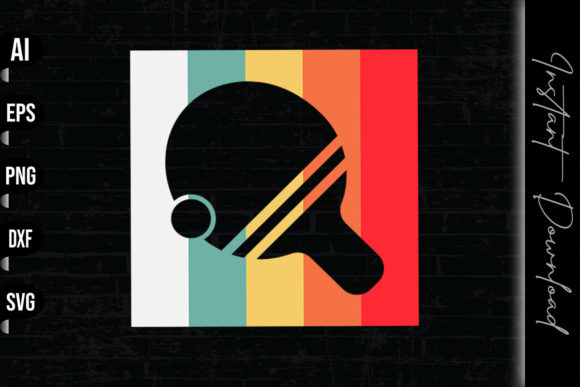
Vintage Retro Ping Pong Embroidery Review
As someone who has spent years stitching custom apparel and reviewing digital assets for my own craft business, I approach every new embroidery file with a mix of excitement and skepticism. The market is flooded with generic graphics, but finding a design that balances nostalgia with practical stitchability is rare. Today, I am putting the Vintage Retro Ping Pong design to the test. This piece from the Print Templates category, specifically under Graphics, promises a versatile aesthetic that fits perfectly into the current retro revival trend. But does it hold up when transferred from a screen to a needle?
The First Impression: Nostalgia Meets Stitching Potential
The moment I opened the preview for the Vintage Retro Ping Pong design, the mood was immediately established. It captures that mid-century diner vibe without feeling cluttered. The layout is clean, focusing on the iconic silhouette of the paddle and ball, which is crucial for embroidery where too many fine details can turn into a muddy mess. Unlike some modern vector files that rely on complex gradients, this design relies on strong shapes and clear lines, making it an ideal candidate for a machine embroidery project.
Visually, it feels like it belongs in a specific niche: boutique apparel and personalized gifts. The retro theme suggests a playful energy that works well for casual wear or fun home decor. For a designer looking to add a touch of vintage charm to their collection, this design offers a solid foundation. It isn't just a picture; it is a statement piece that invites conversation. When I imagine this stitched onto a garment, it exudes a sense of relaxed confidence, perfect for the handmade market.
Real-World Application: From Design to Finished Product
To truly evaluate this asset, I had to imagine it in action. Let's say I am preparing for a local craft fair or fulfilling a rush order for a small shop. I need a product that stands out on a rack but doesn't require hours of hand-finishing. The Vintage Retro Ping Pong design shines here. I envision stitching this onto a heavyweight cotton tote bag for a customer who loves table tennis. The bold outlines would translate beautifully onto the canvas, creating a durable and stylish accessory.
However, the real test comes with more challenging items. Consider a custom sweatshirt for a family reunion. The design's balanced density means it won't cause the fabric to pucker if stabilized correctly. I also see potential in baby clothes; a tiny version of this motif on a onesie would be adorable, provided the stitch count is manageable. For a kitchen towel, the retro aesthetic fits right in with farmhouse decor trends. Whether it is a holiday gift, a wedding favor, or merchandise for an Etsy listing, the versatility of this digital embroidery file is its strongest selling point.
When used as a commercial embroidery design, it adds value to the finished product. Customers are willing to pay a premium for unique, thematic designs that tell a story. This ping pong motif tells a story of leisure and competition, making it highly marketable for sports enthusiasts or anyone who appreciates vintage art. It elevates a simple t-shirt or hoodie into a curated fashion item.
Where Caution Is Required: Technical Limitations
While the Vintage Retro Ping Pong design is impressive, no single file is perfect for every scenario. As an experienced reviewer, I must point out where this design might struggle. Small hoop sizes are the first red flag. If you attempt to stitch this on a 4x4 inch area, the details might get lost, or the lettering (if included) could become illegible. Always check the recommended hoop size before committing to a small project like a cap brim or a baby bootie.
Fabric choice is equally critical. Textured fabrics, such as heavy waffle knits or boucle, can distort the smooth curves of the paddle. Thin, stretchy fabrics like jersey or silk require extra care; without a high-quality stabilizer, the tension might cause the design to warp. Dark fabrics present another challenge. If the thread colors chosen do not have enough contrast against the background, the retro style will fade into invisibility. I recommend testing the color palette on scrap material first to ensure the thread colors pop.
Dense stitch areas can also be problematic. If the design utilizes heavy fill stitches in a small space, it may create a stiff, uncomfortable feel on the wearer. Additionally, curved surfaces like baseball caps can make straight lines look distorted unless the design is specifically digitized for curvature. If your goal is a delicate embroidered patch or a detailed corner accent, you must inspect the file closely to ensure the detail level is appropriate for the final scale.
Design Judgment: Value, Trust, and Brand Consistency
The success of any handmade product often hinges on the perceived quality of the design. A poorly executed file can ruin the presentation of even the most expensive fabric. The Vintage Retro Ping Pong design, when executed well, signals professionalism. It shows that the maker cares about aesthetics and durability. This builds trust with buyers who are looking for high-quality personalized gifts or boutique branding.
In terms of visual appeal, the design strikes a balance between simplicity and character. It avoids the trap of being too busy, which allows the texture of the thread and the fabric to shine through. This clarity is essential for embroidery designers who want their work to stand out in a crowded marketplace. For Etsy sellers and small shop owners, using a design like this can enhance the overall brand consistency, creating a cohesive look across different product lines, from aprons to pillow covers.
Furthermore, the design's recognition factor is high. People instantly connect with ping pong imagery, especially in a retro context. This makes it an excellent choice for marketing materials, printable mockups, and digital product previews. It engages the buyer immediately, promising a fun and stylish outcome.
Practical Notes for the Embroidery Designer
Before you load this file into your machine, there are several steps you should take to ensure success. First and foremost, always test the design on scrap fabric. This allows you to gauge the stitch density and see how the threads interact with the specific material you plan to use. Check the contrast by reviewing the design in black and white mockups; this helps visualize the final result regardless of the thread colors you choose.
Confirm your hoop size and ensure your stabilizer matches the weight of the fabric. For heavier items like hoodies, a cut-away stabilizer is usually necessary to prevent shifting. Inspect the small details of the Vintage Retro Ping Pong design closely. Are the corners sharp? Is the running stitch clean? If the design includes text, verify that it is legible at the intended size.
Finally, consider the end-use. Is this for a personal gift or a commercial sale? If you plan to sell finished items, review the licensing terms carefully. Ensure you have the rights to use the graphics for commercial purposes. Compare light and dark fabric backgrounds to decide which thread combinations will yield the best results. By following these practical steps, you can transform a simple digital file into a stunning finished product that delights customers and elevates your craft business.
In conclusion, the Vintage Retro Ping Pong design is a valuable addition to any embroidery project library. It offers a blend of style and functionality that serves both hobbyists and professionals well. With careful planning and attention to technical details, it can become a staple in your repertoire of design assets.