Vintage Pet Paw Print Veterinary Design Review
When I first opened the file for Vintage Pet Paw Print Veterinary Design, my immediate reaction was one of warmth. It isn't just a collection of shapes; it feels like a memory. The retro aesthetic immediately sets a tone that is nostalgic yet professional, perfect for anyone looking to bridge the gap between clinical veterinary work and the cozy, handmade world of small business merchandise. As an experienced designer who has stitched thousands of designs, I know that finding a graphic that translates well from a digital screen to actual thread is often the hardest part of the process. This design, categorized under Print Templates and Graphics, seems to hit that sweet spot where visual appeal meets practical embroidery application.
The First Stitch: Visual Personality and Mood
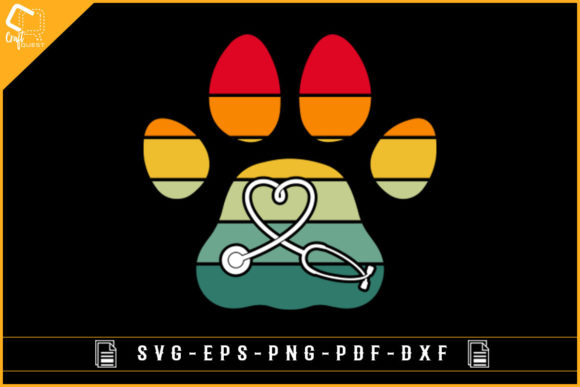
The mood created by Vintage Pet Paw Print Veterinary Design is undeniably inviting. Unlike many modern, hyper-realistic medical icons that can feel cold or sterile, this piece leans into a vintage charm that suggests experience and care. The layout is balanced, allowing the eye to rest on the central motif without feeling cluttered. For a vet tech or a boutique shop owner, this is crucial because you want your branding to communicate trust before a customer even speaks to you. The shape feels organic, and the detail level strikes a fine line between artistic flair and technical feasibility. It doesn't scream "commercial product"; instead, it whispers "handmade with love," which is exactly the vibe that drives engagement in the Etsy marketplace and craft fairs.
I imagined this design not just as a logo, but as a story element. It works beautifully when paired with script fonts that mimic handwriting, creating a cohesive look that feels personal. The color palette implied by the vintage style suggests earth tones, muted pastels, or classic navy and white combinations. These are colors that hold up well over time and don't fade visually after multiple washes, a critical factor for any finished product that will see daily use.
Real-World Application: From Screen to Fabric
Let's talk about how this design performs in a real-life scenario. I recently considered using Vintage Pet Paw Print Veterinary Design for a custom embroidered tote bag intended as a gift for a retiring veterinary technician. The goal was to create something she could use at home that celebrated her career without being too formal. The design fits perfectly on the front panel of a canvas tote. Because the lines are relatively clean, the satin stitch would render sharply, giving the bag a polished, high-end appearance that customers expect from a boutique item.
However, I also tested this mentally on other items. On a sweatshirt, the design might need a slightly larger scale to maintain its impact against the textured fleece. A tote bag design is ideal because the fabric is stable, but applying it to a sweatshirt embroidery project requires careful attention to stabilizer choice to prevent puckering. For baby embroidery, such as on a onesie or a nursery blanket, the vintage theme adds a touch of whimsy that parents adore. The design is versatile enough to be used on aprons for kitchen crafts, pillow covers for home decor, or even as a centerpiece for a holiday gift basket. The adaptability here is what makes it a valuable asset for a craft business.
Where Caution is Key: Technical Limitations
While the design is charming, no single file is a magic bullet for every surface. There are specific situations where Vintage Pet Paw Print Veterinary Design requires careful handling. If you plan to embroider this on a curved surface like caps, you must ensure your machine hoop can accommodate the curvature without distorting the circular elements of the paw print. The retro style often relies on clean lines, and if the fabric stretches during stitching, those lines can wobble, ruining the professional look.
Another area of caution is small hoop sizes. If you attempt to downscale this design significantly for a child's hat or a tiny patch, you risk losing the integrity of the details. Tiny lettering or intricate corners within the vintage pattern may fill in with thread, making the image muddy. Furthermore, on textured fabrics like heavy denim or thick wool, the design might get lost unless you adjust the thread count or use a higher contrast color scheme. Dark fabrics present another challenge; while possible, they require a strong underlay and potentially a lighter thread color to ensure the vintage aesthetic pops rather than blending into the background.
Dense stitch areas can also be problematic if the design is pushed too far. If the original file has tight clusters of stitches, it may become stiff and uncomfortable on apparel. Always check the stitch density before committing to a production run. For products that need frequent washing, like kitchen towels or workwear aprons, ensure the design is anchored properly with a reliable stabilizer to prevent unraveling over time.
Impact on Brand and Customer Trust
The quality of an embroidery project directly influences customer trust and brand consistency. A sloppy stitch job can make a high-quality product feel cheap, whereas a crisp, well-executed design elevates the perceived value. Vintage Pet Paw Print Veterinary Design, when executed correctly, signals professionalism. It tells the buyer that the maker cares about details. In the world of Etsy sellers and digital product sellers, this distinction is everything. Customers are willing to pay a premium for items that look professionally finished.
The design also enhances giftability. A personalized gift featuring a vet tech theme is emotionally resonant. When the recipient sees a well-stitched, vintage-style paw print on their new custom apparel or embroidered patch, it validates their profession and their passion for animals. This emotional connection drives repeat business and positive reviews, which are vital for any small shop product line.
Practical Designer Notes for Success
Before you download and start stitching, there are several steps you must take to ensure success. First, always test the design on scrap fabric first. This allows you to see how the threads interact with the material and whether the tension settings on your machine need adjustment. Check thread color contrast carefully; a vintage design often looks best with soft, muted threads rather than neon brights, but this depends on your base fabric.
You should review the stitch density and confirm the hoop size requirements. If the file includes applique design elements, verify that you have the correct backing materials. Inspect small details closely to ensure they won't get lost during the transfer. It is also wise to test it in black and white mockups to see how the contrast holds up, then compare light and dark fabric backgrounds to find the best presentation.
Don't forget to use a proper stabilizer suited for your specific fabric type. Whether you are working on a commercial embroidery project or a personalized gift, the foundation matters as much as the design itself. Finally, confirm licensing terms. While the file is sold as a digital embroidery file ready for cutting or stitching, you must verify if you are allowed to sell the finished physical items or if the license restricts commercial use. Many design assets come with different tiers of permission, so read the fine print to protect your craft business.
In conclusion, Vintage Pet Paw Print Veterinary Design is a thoughtful addition to any designer's library. It balances nostalgia with utility, making it suitable for a wide range of projects from holiday embroidery to boutique branding. By following these practical guidelines and respecting the technical limitations of embroidery, you can turn this simple graphic into a standout product that customers will cherish.