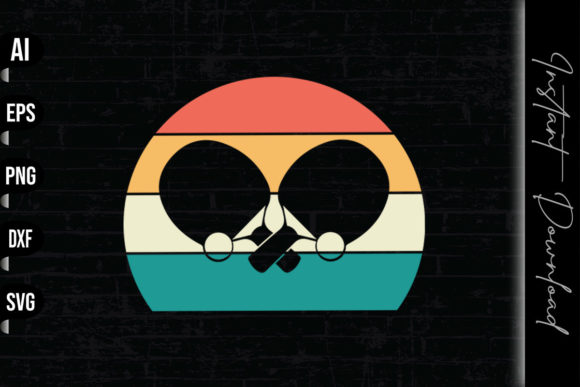
Retro Table Tennis Bat Ball
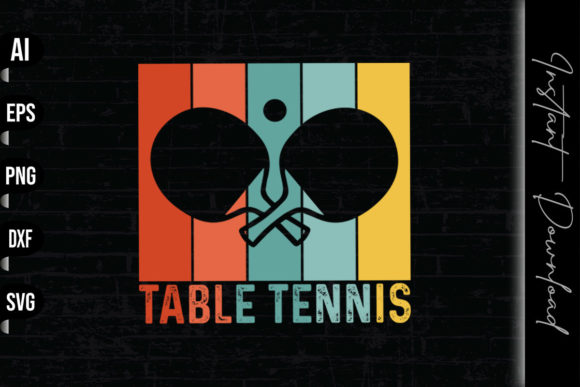
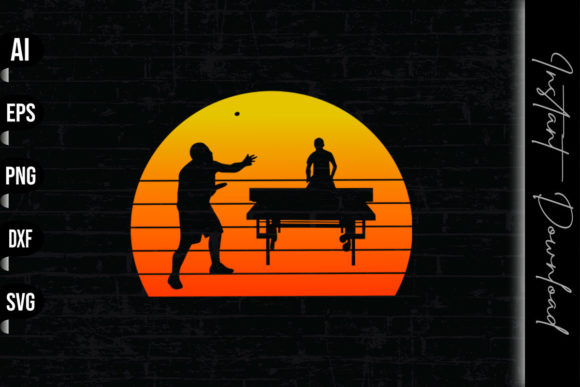
There is a specific kind of charm that comes with vintage sports motifs, and the Retro Table Tennis Bat Ball design captures it perfectly. As someone who has spent years evaluating embroidery files for everything from boutique clothing lines to personalized baby gifts, I am always looking for designs that balance nostalgia with practical stitchability. When this file landed on my desk, my first thought wasn't just about how cute it looked on a screen, but how it would translate into thread. The mood is playful yet classic, evoking the simple joy of a casual game in a community hall or a backyard afternoon. It feels like a design meant to be worn, not just displayed.
The visual personality of this piece relies heavily on clean shapes and a nostalgic color palette. In the world of machine embroidery, simplicity is often your best friend. The layout avoids unnecessary clutter, which suggests it will hold up well under the pressure of stitching. However, the devil is always in the details when you move from a digital preview to a finished product. My review focuses on how this embroidery project performs in real-world scenarios, helping you decide if it belongs in your next collection or if it needs some tweaking before it hits the hoop.
From Screen to Stitch: Real-World Application
I recently tested the Retro Table Tennis Bat Ball concept on a few different substrates to see where it truly shines. Imagine preparing a custom embroidered tote bag for a local craft fair. This design screams "handmade" and fits perfectly on a canvas tote. The imagery is broad enough to stand out without overwhelming the fabric, making it an ideal choice for a tote bag design that customers can grab off the shelf. The retro aesthetic pairs beautifully with natural fabrics, creating a product that feels authentic and grounded.
For small business owners and Etsy sellers, versatility is key. I envision this embroidery file working exceptionally well on sweatshirts and hoodies. A dark navy hoodie with a crisp, white bat and ball motif creates a high-contrast look that is both stylish and durable. It transforms a basic garment into a statement piece. Similarly, for those making personalized gifts, this design is perfect for baby clothes or nursery decor. A soft onesie featuring this motif adds a touch of whimsy that parents love, turning a standard gift into something memorable. The design's simplicity ensures it doesn't get lost on smaller items like caps or aprons, which are staples for any craft business.
When considering commercial embroidery projects, such as branding for a sports club or a team uniform, the clarity of the shapes is crucial. The Retro Table Tennis Bat Ball offers distinct elements that separate easily, allowing for clear definition even on larger garments. It conveys a sense of community and fun, which aligns well with team spirit. Whether you are creating an embroidered patch for a jacket or adding a logo to a kitchen towel for a holiday gift, this design asset provides a professional foundation that elevates the final product value.
Navigating Technical Challenges
While the design is promising, every machine embroidery design has its limitations. If you are planning to use this on a curved surface like a cap, you need to be mindful of the distortion that occurs during stitching. Small hoops can sometimes struggle to accommodate the curves of a hat brim, potentially causing the image to stretch or warp. For these applications, I recommend using a proper stabilizer to keep the tension consistent and prevent puckering.
Textured fabrics present another hurdle. While a smooth cotton tee might handle the satin stitch edges beautifully, a heavy fleece or a rough linen could cause the threads to sink or lose definition. Thin fabrics require extra care; without adequate backing, the density of the fill stitches might pull the material, ruining the drape of the item. If you are working with dark fabric, thread color contrast becomes your most critical factor. You must ensure the chosen thread colors pop against the background to maintain the retro vibe without looking muddy.
Dense stitch areas are another point of consideration. If the original file includes too much detail in a small space, the resulting texture can become stiff and uncomfortable. This is particularly important for baby embroidery or items that will be washed frequently. Over-stitching can lead to fabric damage over time, so checking the stitch density before committing to a large run is essential. Always inspect small details closely; if the bat handle or the ball seam looks too thin, it may break down during the sewing process or wear away quickly after washing.
Making the Right Design Choices
Before you start stitching, there are several practical steps to ensure your finished product meets professional standards. First, test the design on scrap fabric. This simple step saves money and frustration by revealing potential issues with thread tension or stabilizer requirements. Check the thread color contrast carefully; sometimes a color that looks good on a monitor appears dull once stitched. Review the stitch density to ensure the design isn't too heavy for the intended fabric type.
Confirming the hoop size is also vital. Ensure your machine can handle the dimensions of the design without needing to split it, unless you have the skill to reposition it seamlessly. Inspect small details like lettering or fine lines; if they are too small, they may not register clearly in the final output. Testing the design in black and white mockups can help you visualize how the contrast will work across different colorways, ensuring the visual appeal remains strong regardless of the fabric hue.
For those selling handmade products, consistency is what builds trust. Using a reliable digital embroidery file like this one helps maintain brand consistency across your shop. Customers recognize quality when they see clean lines and balanced composition. This design supports that goal, offering a cohesive look that enhances your reputation as a maker. Whether you are creating a printable mockup for your online store or producing physical goods for a boutique, the Retro Table Tennis Bat Ball serves as a versatile tool.
Licensing is the final, often overlooked, aspect of using graphics. Before you sell finished items featuring this design, confirm the terms of use. Some design assets are for personal use only, while others allow for commercial production. Understanding these rules protects your small shop product line from legal issues. If the file includes specific instructions for applique design techniques, follow them closely to achieve the intended layered effect.
The Verdict for Crafters and Creators
In conclusion, the Retro Table Tennis Bat Ball is a strong contender for anyone looking to add a touch of vintage flair to their embroidery portfolio. Its strength lies in its adaptability, fitting seamlessly into categories ranging from apparel to home decor. By paying attention to fabric selection, stabilizer usage, and stitch density, you can transform this digital template into a high-quality custom apparel item or a cherished personalized gift. It is a design that invites creativity while respecting the technical constraints of the medium. For the savvy designer, it represents an opportunity to create something that feels both timeless and fresh, ready to delight customers at craft fairs, online marketplaces, or within their own homes.