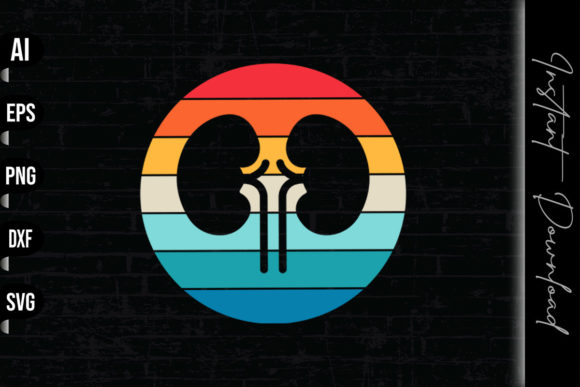
Organ Transplant Retro Kidney Donor Review
As someone who has spent years stitching complex motifs and evaluating thousands of digital assets for commercial use, I approach every new embroidery design with a mix of excitement and skepticism. When I first encountered the Organ Transplant Retro Kidney Donor, I wasn't just looking at another graphic; I was assessing its potential to become a tangible, high-value product in my own small business inventory. This isn't merely a decorative element; it is a statement piece that carries significant emotional weight and specific technical requirements. Let's dive into how this design performs when moving from a screen to a needle.
The First Impression: Mood and Visual Personality
The moment you load the Organ Transplant Retro Kidney Donor file, the retro aesthetic immediately sets a distinct tone. It avoids the sterile, clinical look often associated with medical themes, opting instead for a vintage warmth that feels nostalgic and approachable. The layout suggests a badge or a patch, which naturally lends itself to placement on the chest of a sweatshirt or the front panel of a cap. For an embroidery designer, the visual personality here is crucial because it dictates the end-user experience. It feels like something a proud donor would wear with genuine pride, rather than a generic novelty item. The shapes are bold enough to hold up under heavy stitching, yet the retro styling adds a layer of sophistication that appeals to crafters looking to elevate their handmade products beyond basic clip-art styles.
Real-World Application: From Design to Finished Product
To truly understand the utility of this Graphics asset, imagine a scenario where you are preparing for a boutique holiday market. You have decided to create a line of custom apparel specifically for healthcare workers and organ transplant recipients. You pull out your hooped sweatshirts and prepare to stitch the Organ Transplant Retro Kidney Donor. In this context, the design transforms from a simple SVG into a conversation starter. The finished product becomes a symbol of community and life-saving generosity.
I envision this design working exceptionally well on medium-weight cotton blends for hoodies, where the texture of the fabric complements the retro vibe. However, it also shines as a custom apparel option for tote bags used by hospital volunteers or as a personalized gift for a baby shower celebrating a new family member who received a transplant. The versatility allows it to function as a standalone embroidered patch that can be sewn onto denim jackets or aprons, making it a versatile addition to any crafter's catalog. Whether you are an Etsy seller looking to expand your small shop product line or a hobbyist creating a personalized gift for a friend, the design offers a professional finish that elevates the perceived value of the item.
Navigating Technical Challenges and Limitations
While the artistic merit is clear, practical application requires careful consideration of the machine's capabilities. One must be vigilant about the stitch density within the fill areas. If the design is too dense for a thin fabric like a standard tea towel, the puckering could ruin the drape of the item. Conversely, on stretchy fabrics common in sweatshirt embroidery, the stabilizer choice becomes paramount to prevent distortion during the stitching process. I would advise against attempting this design on extremely small hoop sizes, such as those used for delicate jewelry or tiny baby socks, as the detail level might get lost in the thread count.
Furthermore, consider the color contrast. On dark fabrics, the retro colors need to pop, which might require a higher thread count or a specific thread type to ensure visibility. If you are planning to use this for commercial embroidery projects involving frequent washing, the longevity of the stitches is key. Dense satin stitches in certain areas might catch on zippers or other garments if not trimmed carefully. Always test the machine embroidery design on a scrap piece of the actual intended fabric before committing to a final product. This step is non-negotiable for maintaining brand consistency and ensuring customer trust.
Strategic Placement and Product Value
The placement of the Organ Transplant Retro Kidney Donor significantly impacts the visual appeal of the final piece. Centered on a chest pocket, it acts as a subtle badge of honor. Placed larger on the back of a jacket, it becomes a bold declaration. For digital product sellers creating mockups, this design provides excellent opportunities to showcase realistic textures and lighting, helping buyers visualize the finished product. It fits perfectly into categories like holiday embroidery gifts or wedding favors for medical professionals, adding a touch of unique sentimentality that mass-produced items lack.
When evaluating the design for brand consistency, its retro style ensures it doesn't clash with modern minimalism but rather adds a curated, vintage feel. This makes it ideal for boutiques that curate a specific aesthetic. However, if your brand relies on ultra-clean, corporate looks, this design might feel too casual. Understanding your audience is part of the designer's job, and knowing when to deploy this asset is just as important as the stitching itself.
Essential Notes for the Embroidery Designer
Before you hit the "start" button on your machine, there are several critical checks to perform. First, verify the hoop size compatibility with your specific machine model. While the design is versatile, it may require multiple hoops if placed on a large garment. Second, review the thread colors provided in the file and compare them against your physical spools. Screen colors rarely match thread perfectly, so a printable mockup in black and white can help you assess contrast without relying on potentially inaccurate RGB values.
Always confirm whether the file includes instructions for applique design techniques if you plan to use fabric layers to enhance the retro look. Check the stabilizer recommendations; tear-away vs. cut-away stabilizers will yield different results depending on the fabric's stability. If you intend to sell finished items, double-check the licensing terms to ensure you have the right to use this digital embroidery file for commercial purposes. Finally, inspect the small details closely. Sometimes, tiny text or intricate lines can blur together if the embroidery file resolution is not optimized for your machine's precision.
Final Thoughts on Practicality
The Organ Transplant Retro Kidney Donor stands out as a thoughtful, emotionally resonant design that bridges the gap between medical appreciation and vintage fashion. It is not just a template; it is a tool for creators who want to make meaningful connections through their craft. By paying attention to fabric selection, stabilization, and testing, you can transform this Print Templates asset into a best-selling item for your craft business. Whether you are designing for a client, a charity event, or your own online store, this design offers a professional foundation for creating memorable, high-quality handmade products.