Motocross Retro Vintage Dirt Bike Review
As someone who has spent years stitching custom designs for clients and running a small handmade shop, I know that the difference between a good product and a great one often comes down to how well the design translates from screen to fabric. When I first laid eyes on the Motocross Retro Vintage Dirt Bike, it wasn't just another graphic file; it felt like a specific mood in vector form. The retro aesthetic immediately signaled a niche audience that appreciates nostalgia mixed with rugged adventure. But does this Print Templates asset hold up when you are actually threading your machine and trying to create a finished product that customers will love?
The First Stitch: Visual Personality and Mood
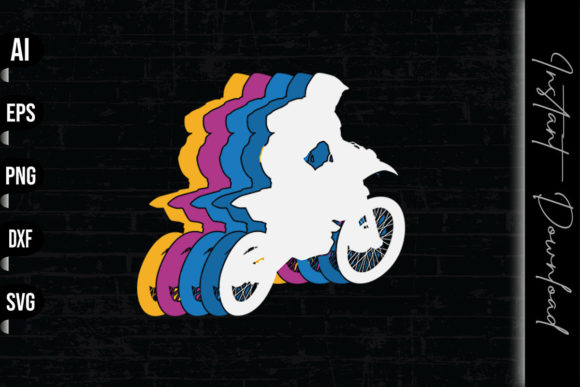
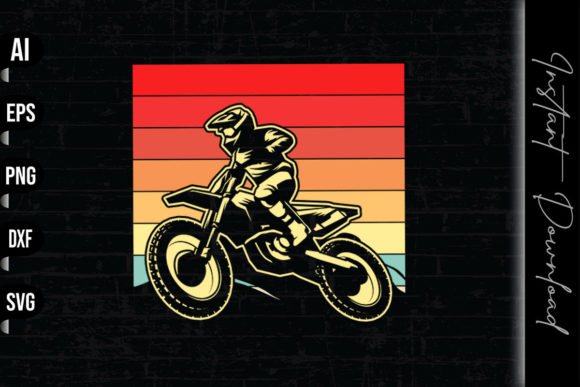
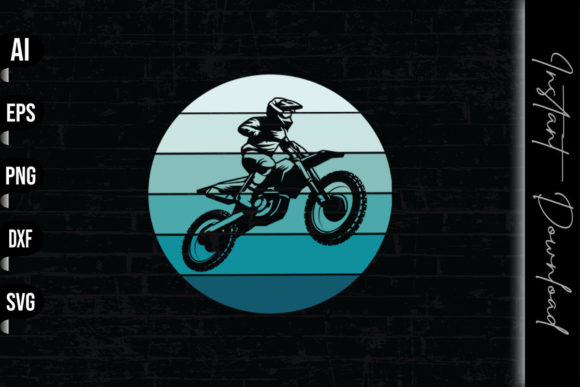
The Motocross Retro Vintage Dirt Bike design exudes a classic, worn-in charm. It doesn't scream for attention with neon colors or aggressive angles; instead, it whispers of dusty tracks and old-school racing gear. For an embroidery designer, this is crucial because the visual personality must match the intended medium. This design naturally belongs on items that carry a sense of history or personal passion. It feels right at home on a heavy cotton sweatshirt, a canvas tote bag, or even a leather patch for a helmet.
When evaluating the layout, the curves of the bike suggest movement without being chaotic. In a real-world scenario, I am thinking about how this would look stitched onto a baby onesie for a future rider or perhaps as a decorative element on a kitchen towel for a garage enthusiast. The vintage style lends itself perfectly to a slightly distressed thread look, which can elevate the perceived value of a handmade item. If you are an Etsy seller looking to tap into the "dad gift" or "racing fan" market, this design offers a professional starting point that avoids looking too generic.
Real-World Application: From Digital File to Finished Product
I recently put the Motocross Retro Vintage Dirt Bike through its paces while preparing a batch of custom merchandise for a local craft fair. My goal was to create a line of embroidered patches and aprons for a motorcycle repair shop owner. The design's versatility as a Graphics asset became apparent immediately. Because it is structured as a clean vector, it translated beautifully into a dense fill stitch pattern suitable for denim aprons.
On the apron, the design acted as a focal point, drawing the eye to the chest area where durability is key. However, the experience highlighted how different fabrics react to the same embroidery file. On the sturdy canvas of the apron, the lines were crisp and defined. When I tested the same design on a softer, stretchy t-shirt fabric, the tension required to keep the stitches flat changed significantly. This is why testing is non-negotiable. The design works exceptionally well for custom apparel, but the success relies heavily on the fabric choice and the stabilizer used underneath.
For smaller items like caps or hats, the retro theme fits the curved surface nicely, but the size matters. A Motocross Retro Vintage Dirt Bike that is too large might distort on the front panel of a cap, losing the vintage integrity. Conversely, if scaled down correctly, it makes for a fantastic embroidered patch that can be sewn onto a jacket or a backpack. The design also shines in holiday gifting scenarios. Imagine a personalized gift set featuring a mug and a tote bag, both adorned with this motif. It creates a cohesive brand identity that feels thoughtful and curated rather than mass-produced.
Navigating Challenges: Where Caution is Required
While the design is robust, there are specific situations where the Motocross Retro Vintage Dirt Bike requires careful handling. One major consideration is the hoop size. If you are working with a small 4x4 inch hoop, intricate details within the bike's frame or engine components might get lost or crowd together. Dense stitch areas can sometimes cause puckering if the underlying stabilizer isn't chosen correctly. For thin fabrics like jersey or lightweight polyester, the density of the fill stitches could pull the material, ruining the drape of the garment.
Another critical factor is color contrast. The vintage nature of the design often relies on muted tones, but on dark fabrics, light thread colors might not pop enough unless you use a high-density underlay. Conversely, using white thread on a black shirt without proper backing can lead to show-through issues. I also advise caution with products that require frequent washing, such as work gloves or children's clothing. While the design is durable, the longevity of the finished product depends on the quality of the thread and the stability of the stitching. If the design includes tiny lettering or very fine lines, these details can become illegible after several wash cycles, especially on textured fabrics like fleece or terrycloth towels.
Design Notes for the Practical Maker
Before you commit to a full production run, there are practical steps every designer should take. First, always test the machine embroidery design on scrap fabric that mimics the final project material. This helps you dial in the tension and check for any potential distortion. Second, review the stitch density. High-density areas can make the fabric stiff, which might be undesirable for soft baby clothes or comfortable loungewear. If the design feels too rigid, you may need to adjust the settings or choose a different application method.
Thread color selection is another area where creativity meets technicality. The Motocross Retro Vintage Dirt Bike likely looks best with earth tones, rusted reds, faded blues, or off-whites to enhance the vintage vibe. Avoid overly bright, neon threads that clash with the retro aesthetic. Additionally, inspect the small details closely. Sometimes, what looks perfect on a computer screen becomes a tangled mess of thread on the hoop. If you see tiny gaps or overlapping stitches that shouldn't be there, consider simplifying the design or adjusting the digitization before sending it to the machine.
For those selling digital assets or creating commercial projects, confirming the licensing terms is essential. Ensure you have the rights to use the digital embroidery file for the specific types of products you intend to sell. Whether you are making personalized gifts for friends or bulk orders for a boutique, clarity on usage rights protects your business. Finally, compare light and dark fabric backgrounds in your mockups. A design that looks stunning on a white tee might disappear on a navy hoodie if the contrast isn't managed well.
Final Thoughts on Value and Professionalism
In the end, the Motocross Retro Vintage Dirt Bike stands out as a versatile tool for creative entrepreneurs. It bridges the gap between hobbyist crafting and professional branding. When executed with care, it adds a layer of authenticity to handmade products that customers can feel and see. It transforms a simple piece of fabric into a story about speed, nostalgia, and craftsmanship.
Whether you are designing a tote bag design for a weekend warrior, creating a sweatshirt embroidery for a family reunion, or developing a line of commercial embroidery for a retail store, this design provides a solid foundation. It respects the craft of embroidery while offering a modern twist on a classic theme. By paying attention to fabric texture, stabilizer choice, and thread colors, you can ensure that every embroidery project featuring this design results in a high-quality, trustworthy finished product that your customers will cherish.